
Seriously Injured by an Uninsured or Untraced Driver? How an MIB Claim Could Help You Recover Compensation
This article explains how a Motor Insurers' Bureau (MIB) claim may help someone recover compensation after suffering a serious injury caused by an uninsured or untraced driver. It covers the differences between uninsured driver claims and hit-and-run compensation claims, who may be responsible for paying compensation and what evidence is needed to establish a claim. It also explains the MIB claims process, relevant time limits, disputed decisions and how lost earnings, rehabilitation costs and long-term care needs may affect compensation. Further guidance covers eligibility, legal costs, shared responsibility and obtaining specialist Personal Injury legal advice.
Motor Insurers' Bureau (MIB) Compensation Claims
Find Out Who Could Pay Your Compensation, What Evidence You'll Need and How Your Serious Injuries Could Affect the Claim
You've been seriously injured in a road accident, but the driver responsible either had no insurance or left the scene without being identified.
You may have already spoken to the police or your own insurer and still be unsure who would deal with a compensation claim.
Who pays compensation when the other driver has no insurance?
What happens if they left the scene and the police haven't found them?
And can a claim still cover the treatment, lost earnings and support you may need in the future?
In many cases, you may still be able to pursue compensation through a Motor Insurers' Bureau (MIB) claim.
The MIB handles eligible claims involving uninsured and untraced drivers.
Although the process differs depending on whether the driver can be identified, you do not necessarily lose the opportunity to claim because there is no insurer to approach.
Uninsured Driver and Hit-and-Run Compensation Claims
See How the Driver's Insurance, Identity and Available Evidence Could Change Who Handles Your Claim
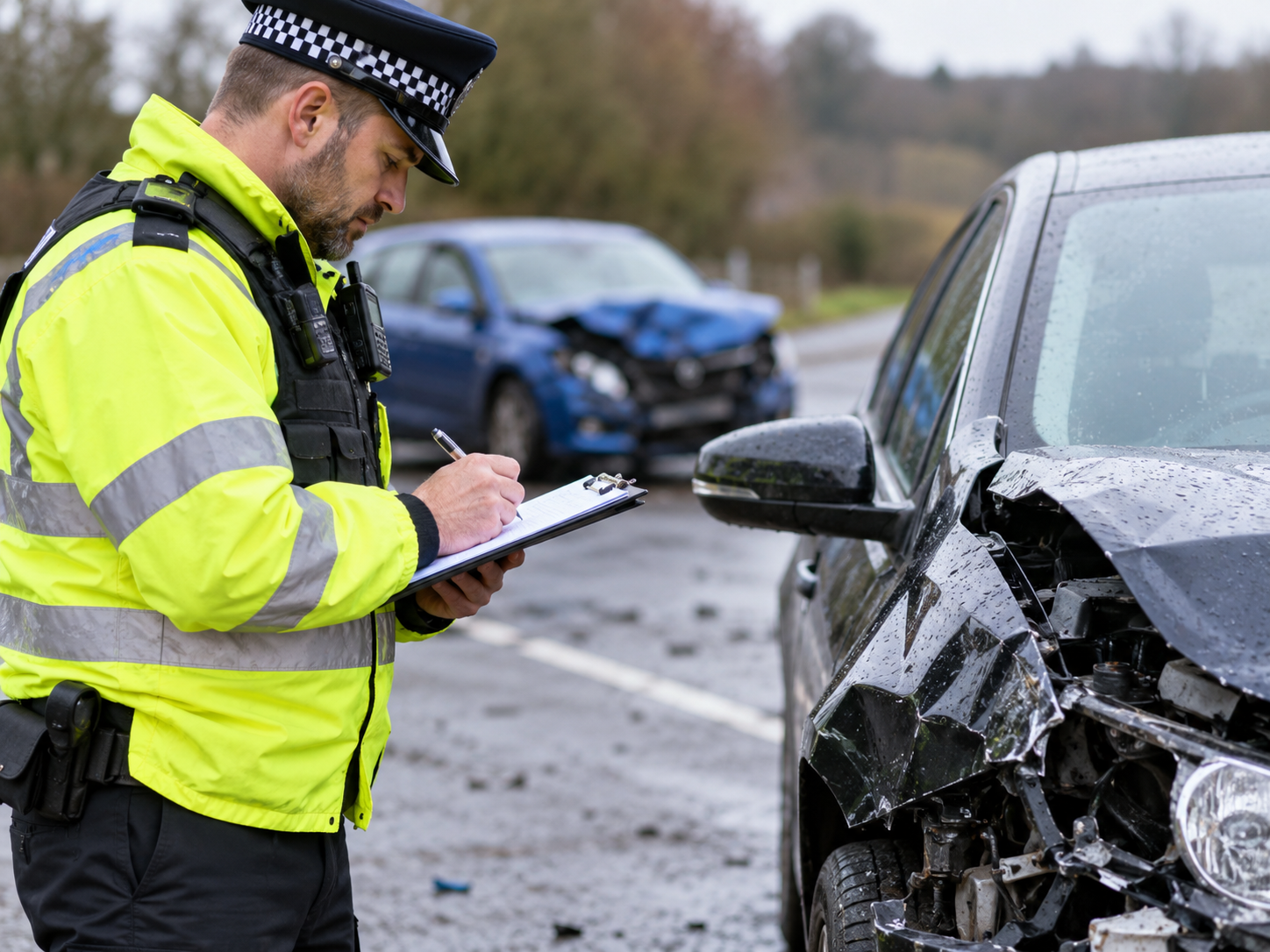
An uninsured driver is someone who does not have appropriate motor insurance.
An untraced driver is someone who cannot be identified, often because they left the scene of the accident.
The Motor Insurers' Bureau deals with both situations, although the requirements and procedures differ.
The table below shows how your circumstances could affect the claim and where our Personal Injury team can help.
| If This Sounds Like You | What Needs Establishing | Why It Matters | How Ellis Hass Helps |
|---|---|---|---|
| “The other driver stopped, but I've found out they weren't insured.” | Who was responsible for the accident and whether the claim qualifies under the uninsured-driver arrangements. | The lack of insurance does not necessarily prevent you from recovering compensation. | We examine the accident circumstances and pursue eligible claims through the MIB. |
| “The driver left the scene and nobody knows who they are.” | What happened, whether another driver was responsible and what evidence is available. | Witnesses, police investigations and footage may help establish a claim without identifying the driver. | We investigate the circumstances and help gather evidence to support an untraced-driver claim. |
| “The police have found the driver, but I still don't know who to claim against.” | Whether appropriate insurance exists and which claim route applies. | Identifying the driver may change who should deal with your claim. | We establish whether the claim should proceed through an insurer or the MIB. |
| “I've suffered a serious injury, but I'm worried there isn't enough evidence.” | Medical records, witness accounts, accident reports and other available information. | The evidence must support both how the accident happened and the effect of your injuries. | We identify what further evidence may be needed and help develop the claim. |
| “My injuries are affecting my work and I may need ongoing care.” | Lost earnings, rehabilitation, future care requirements and other financial consequences. | The claim may need to reflect costs and losses that continue beyond your initial recovery. | We assess the wider effects of your injuries and pursue compensation for losses that can be established. |
| “The MIB has questioned who was responsible or refused my claim.” | The reasons for the decision, supporting evidence and applicable challenge procedure. | A disputed decision may require further evidence or a formal challenge, depending on the agreement. | We review the disputed issues and advise on the available next steps. |

Evidence Needed for an MIB Claim
Use Police Reports, Witness Details and Medical Records to Help Establish What Happened and Support Your Injury Claim
When claiming against an uninsured driver or pursuing hit-and-run compensation, evidence of the accident is important.
If the other driver cannot be found, witness statements, camera footage and police enquiries may help establish what happened.
Information that may support your claim includes:
- Police reports: An incident reference and details of any investigation.
- Witnesses and footage: Contact details, dashcam recordings or CCTV showing the collision.
- Vehicle information: Registration details, descriptions or photographs.
- Medical evidence: Records of your injuries, treatment and recovery.
- Financial records: Evidence of lost earnings, care costs and expenses arising from your injuries.
If the driver left the scene, report the collision to the police as soon as possible.
Prompt enquiries may also help preserve footage from nearby businesses or vehicles.
You do not need to have collected everything before contacting a solicitor.
Our
road accident solicitors can examine what information is available and what further evidence may be needed.
MIB Claim Process
See How Responsibility Is Investigated, Disputed Decisions Are Addressed and Compensation Is Assessed
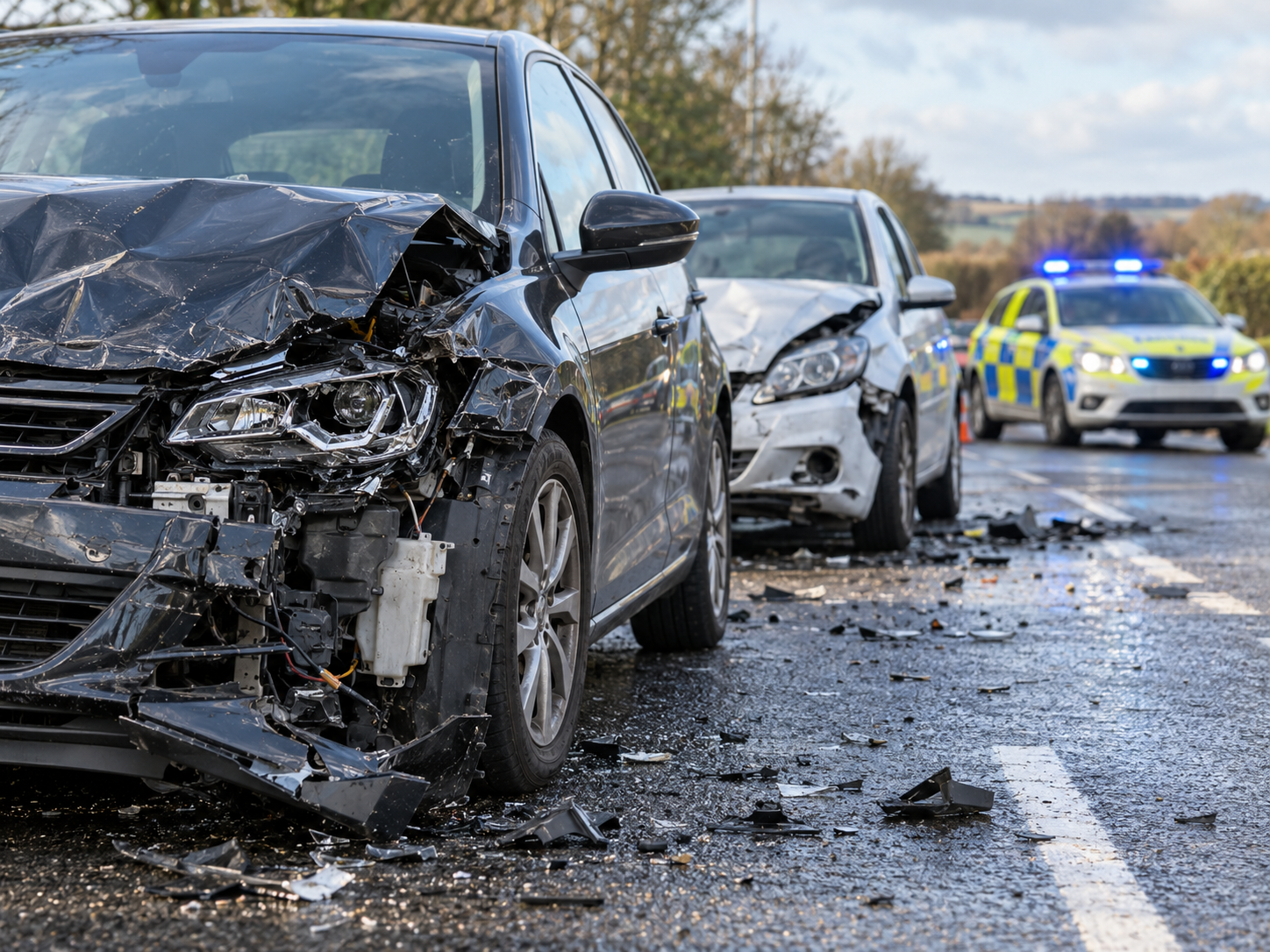
Once we've established which MIB process applies, we can begin gathering evidence of the accident and its consequences.
The MIB investigates responsibility and whether the claim meets the relevant requirements. In some cases, enquiries may identify the driver or an insurer who should handle the claim.
If responsibility or eligibility is disputed, we can examine the reasons and consider what further evidence or action may be appropriate.
The available challenge procedure depends on which agreement applies.
Where the claim proceeds, medical assessments and financial evidence help establish the compensation being sought.
Serious injury claims may take longer to resolve if treatment is ongoing or the long-term effects are not yet known.
Personal injury claims generally have a three-year time limit, subject to exceptions.
The applicable MIB procedures also matter, so seeking advice early can help ensure the necessary steps are taken.
MIB Serious Injury Compensation
Have Your Lost Earnings, Rehabilitation Costs and Long-Term Care Needs Taken Into Account When Compensation Is Assessed
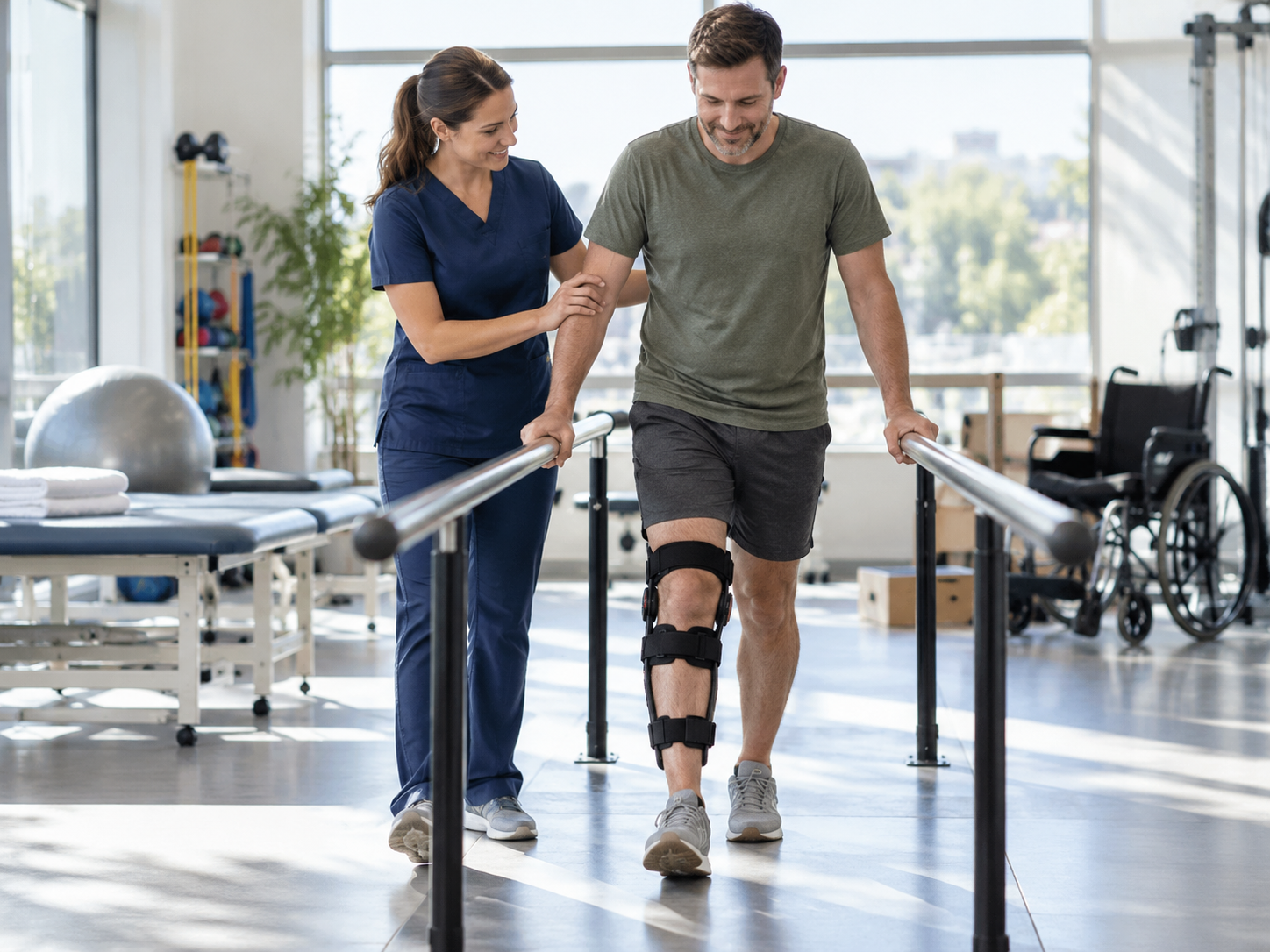
Compensation may cover pain and suffering alongside financial losses resulting from the accident.
If your injuries mean you cannot return to your previous work, need help with everyday activities or require changes to your home, those longer-term consequences may form an important part of the claim.
Our Personal Injury solicitors can help assess how these losses should be accounted for.
Depending on your circumstances, compensation can also include rehabilitation, specialist equipment, travel expenses and future treatment.
Where appropriate, interim payments may be considered to help meet certain costs before the final settlement.
The amount recoverable depends on your injuries, the evidence and the applicable MIB agreement.

MIB Claim Solicitors
Have Your Accident, Injuries and Future Losses Examined by a Personal Injury Team With Over 30 Years' Experience
Serious injury claims often involve ongoing treatment, changes to employment and financial needs that may continue long after the accident.
When the responsible driver is uninsured or untraced, establishing the appropriate compensation route adds another consideration.
Our Personal Injury team has over 30 years' experience and pursues claims involving uninsured and untraced drivers through the Motor Insurers' Bureau.
We can help you with:
- Establishing your claim: Investigating the accident, identifying the appropriate MIB process and gathering evidence of responsibility.
- Assessing your injuries: Reviewing medical evidence, rehabilitation requirements, lost earnings and future care needs.
- Pursuing compensation: Presenting your claim, addressing disputed issues and reviewing any proposed settlement against the losses supported by the evidence.
We'll explain the funding arrangements, including any success fee deduction, before you proceed.

MIB Claim FAQs
Get Answers on Legal Costs, Claim Deadlines, Late Police Reports, Shared Responsibility and Compensation Offers
Legal Advice for MIB Injury Claims
Discuss Your Accident, the Injuries You've Suffered and Whether You Could Claim Compensation With Our Personal Injury Team
If you've suffered a serious injury and the other driver was uninsured or cannot be found, you may still have a route to compensation.
During an introduction call, you can tell us what happened, discuss your injuries and explain what information you already have from the police or your insurer.
We can assess whether you may have a claim, discuss any further evidence needed and explain what would happen next.
Book An Introduction Call with Ellis Hass to discuss your serious injury claim.
FREE INITIAL ADVICE ABOUT PERSONAL INJURY CLAIMS FROM TRUSTED EXPERTS
Get expert advice from our personal injury specialists to start your claims process. Our free consultation is the first step, assessing your claim, answering urgent questions and explaining the potential compensation you could receive if successful.
CONTACT OUR PERSONAL INJURY SPECIALISTS TODAY
READ OUR BLOG POSTS & LATEST NEWS