
Accident at Work and Worried About Your Job? What to Know Before Making a Personal Injury Claim
This article explains what employees should know about making an accident at work claim while still employed. It covers concerns about job security, sick leave, returning to work, reduced hours and loss of earnings following a serious workplace injury. It also explains how Employers' Liability insurance usually works, what evidence may support a personal injury claim and how compensation can account for the long-term impact on employment and future income. The guide outlines the legal advice available to employees considering an accident at work compensation claim.
Will Making an Accident at Work Claim Affect My Job?
See How a Personal Injury Claim Can Fit Alongside Your Job, Pay and Return to Work While Your Recovery Continues
If you have been seriously injured at work, making a personal injury claim may feel more complicated than after another type of accident.
You may still work for the same employer, be off sick, or be unsure whether you will be able to return to the same job.
You may be thinking:
Can my employer dismiss me because I make a claim?
Could making a claim affect how I am treated at work?
What if I cannot return to the same role or earn what I did before?
Wanting answers does not mean you are looking for a dispute.
This guide explains how an accident at work claim can sit alongside your employment and what may matter before you decide whether to take it further.

Making an Accident at Work Claim While Still Employed
See How Sick Leave, Returning to Work, Reduced Duties and Job Worries Can Affect What the Claim Needs to Consider
After an accident at work, the starting point is not only how it happened and what injury you suffered. It is also how the injury has affected your work, income and return.
Useful information may include:
- When and where the accident happened
- Whether it was recorded in an accident book or reported at work
- Photographs, witness details or other records
- Medical treatment you have received
- Time away from work
- Changes to your duties, hours or ability to return
You do not need all of this ready before speaking to a solicitor.
If recovery may take time, changes to your working life can become an important part of the claim.
If you are unsure whether to take things further, you can read more about how we approach
accident at work claims and what may be involved.
| If This Sounds Like You | What It Could Mean | Why It Matters for Your Claim | How We Help |
|---|---|---|---|
| “I still work there and I do not want making a claim to cause problems.” | Making an injury claim and remaining employed are not necessarily the same issue. You may still be dealing with absence, recovery or returning to work at the same time. | Concern about your job can make it tempting to rule out a claim before finding out whether you may be entitled to compensation. | We explain what making a claim would involve so you can decide whether to proceed without assuming it has to become a dispute. |
| “I am still off work and I have no idea when I will be able to go back.” | Your injury may be affecting both your current wages and how soon you can realistically return. | A claim may need to look beyond wages already missed if your recovery could affect your income for longer. | We consider the wages you have already missed and whether the injury is likely to affect what you can earn later. |
| “I think I can go back, but I may need fewer hours or different duties.” | Returning to work does not always mean you are back in the same financial position as before the accident. | If you return on fewer hours, take a lower-paid role or cannot do the same work, your earnings can change even though you are back at work. | If your hours, duties or role have changed, we can assess what that difference could mean financially. |
| “I do not think I will be able to do the same job again.” | A serious injury can affect the type of work you are able to do, not simply how long you are absent. | Retraining, a lower-paid role or being unable to return to your previous occupation could have a longer-term financial effect. | We look beyond your current sick leave and consider what evidence may be needed to assess the future impact on your work and income. |
| “I am worried I will be treated differently at work if I make a claim.” | Concerns about dismissal, absence management, adjustments or treatment at work may sometimes involve separate employment issues. | It helps to know which concerns form part of the injury claim and which may need employment law advice in their own right. | We explain what falls within the personal injury claim and where a separate employment issue may need further advice. |
| “I need my wages, so I am worried I cannot afford to make things awkward.” | A serious injury can leave you balancing recovery with immediate financial pressure. | Focusing only on keeping income coming in now can make it harder to see the longer-term financial effect of the injury. | We look at lost earnings as part of the wider claim, including whether your ability to work or earn has changed for the longer term. |
Can You Be Dismissed for Making an Accident at Work Claim?
Look at What Could Affect Your Employment So You Can Make a More Informed Decision About Whether to Take the Claim Further
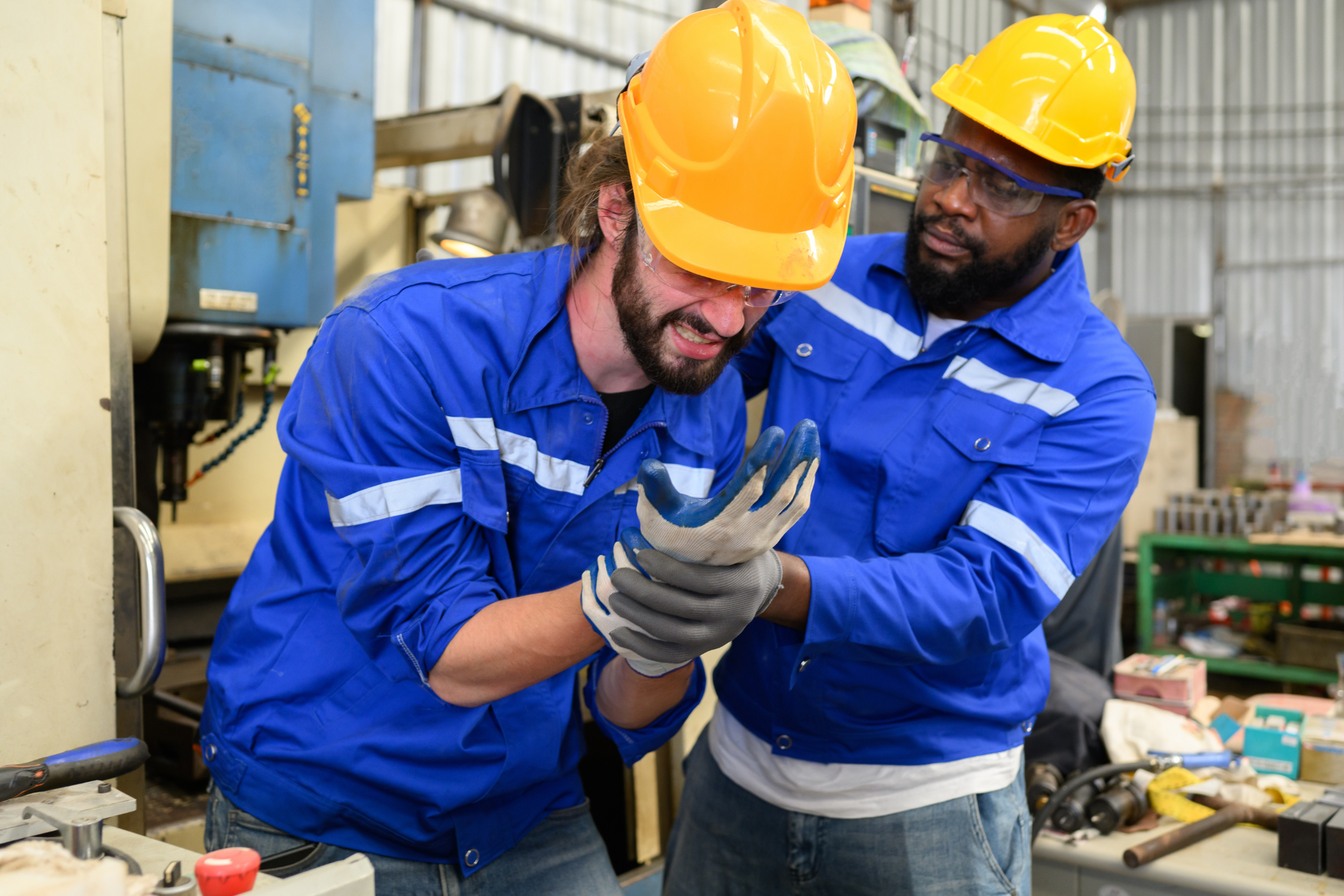
Making a personal injury claim does not, by itself, mean that your employment will end.
What happens at work may depend on separate issues, such as how long you are unable to work, whether you can return to the same role and whether changes or adjustments are needed.
If fear of losing your job has stopped you asking about a claim, getting advice can help you understand your position before ruling anything out.

Accident at Work Claims and Loss of Earnings
See How Reduced Hours, Different Work and Lower Earnings Could Affect the Compensation You May Need Now and in the Future
After a serious workplace injury, the financial impact may continue even after you return to work.
You may:
- Return on reduced hours
- Need lighter or different duties
- Move into another role
- Earn less than before
- Need further treatment or rehabilitation
- Be unable to return to the same type of work
A claim may need to take account of wages already lost as well as future loss of earnings.
If the injury changes what work you can do or what you are able to earn, evidence may be needed before the claim is valued or settled.
Our
personal injury solicitorscan help you understand how an injury may affect your current and future earnings, alongside the wider impact on your life.
Who Pays Compensation for an Accident at Work Claim?
See Who Usually Pays an Accident at Work Claim So You Can Separate the Compensation Process From Your Day-to-Day Relationship at Work
If you still work for the same employer, making a claim can feel personal.
You may worry that you are asking your manager or the business itself to pay you compensation.
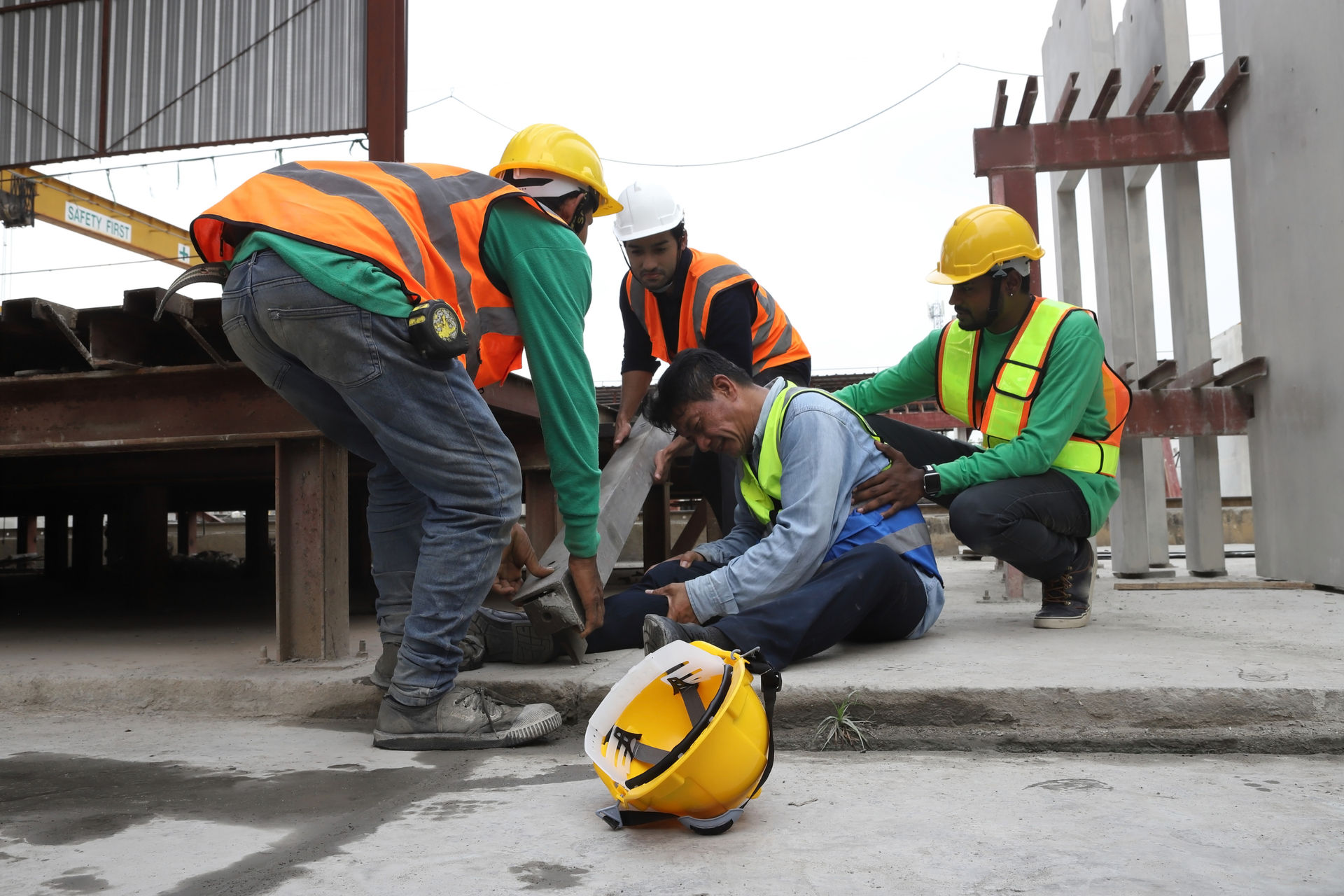
Most employers are required to have Employers’ Liability insurance to cover claims where an employee is injured or becomes ill because of their work.
In many accident at work claims, the employer’s insurer will therefore deal with the claim and any compensation covered by the policy.
The claim itself is still made against the employer where they are considered responsible for what happened, but that does not usually mean an individual manager or colleague is personally paying the compensation.
Knowing how the compensation process normally works can make the decision feel less personal and help you separate the claim from your day-to-day relationship at work.

What to Check Before Making an Accident at Work Claim
Know Which Accident Records, Medical Details and Changes to Your Work Can Help Explain What Happened
It can be useful to think about:
- How the accident happened and whether it was reported
- What treatment you have needed
- How much work you have missed
- Whether your hours, duties or earnings have changed
- Whether the injury could affect your future work
- What records or evidence may already exist
If you only have some of this information, that is enough to start the conversation.

Personal Injury Advice After an Accident at Work
Work With a Personal Injury Team With Over 30 Years’ Experience Assessing Recovery, Lost Earnings and Future Work
Where a serious injury affects your working life, the financial impact may continue for months or years.
Our role is to look beyond the immediate absence from work and consider how your recovery could affect your earnings, treatment needs and future working life.
You can expect:
- Your working life to be considered alongside the injury
- Financial losses to be looked at over time, not only wages already missed
- The effect on future work and earnings to be explored where needed
- An explanation of how costs work, with No Win No Fee arrangements available where suitable
- Over 30 years of personal injury experience
- £10 million+ recovered in personal injury claims
- A 4.7 rating from more than 100 client reviews
Accident at Work Claim FAQs
Answers on Time Limits, Shared Fault, Missing Records, Employer Denials, Court, Medical Evidence and Interim Payments
Accident at Work Claim Advice
Talk Through What Happened, How Your Injury Is Affecting Work and Whether We May Be Able to Help
If concern about your job has made you hesitate, speaking to us does not commit you to taking action against your employer.
An introduction call with one our personal injury specialists can help you:
Explain how the accident happened
Talk about your injury and treatment
Discuss how your work, income or ability to return has been affected
Find out what the next stage could involve if we are able to assist
You do not need to decide whether to make a claim before you call. The first conversation is simply a chance to tell us what happened and find out whether we may be able to help.
FREE INITIAL ADVICE ABOUT PERSONAL INJURY CLAIMS FROM TRUSTED EXPERTS
Get expert advice from our personal injury specialists to start your claims process. Our free consultation is the first step, assessing your claim, answering urgent questions and explaining the potential compensation you could receive if successful.
CONTACT OUR PERSONAL INJURY SPECIALISTS TODAY
READ OUR BLOG POSTS & LATEST NEWS