
Planning Ahead After a Serious Injury: Serious Injury Compensation for Future Care, Work and Independence
This article explains how personal injury compensation can support long-term recovery after a serious injury in the context of UK serious injury claims. It outlines future care costs, rehabilitation and treatment needs, and future loss of earnings, including who these issues may affect and what evidence may be required before settlement. Whether you are adjusting to life with ongoing support needs or concerned about returning to work and maintaining independence, this guide provides clear insight into planning for future losses and the practical considerations surrounding care, home adaptations, mobility and long-term financial security.
Personal Injury Compensation for Long-Term Support
How Compensation for Serious Injury Can Support Care, Rehabilitation, Work and Independence
A serious injury compensation claim should do more than bring a legal process to an end. It should help make sure recovery, stability and independence are properly considered before settlement.
After a serious injury, the immediate focus is often treatment, pain, appointments and getting through each day.
Over time, different questions can start to appear.
Can you manage safely at home?
Will family support still be needed?
Is returning to work realistic?
Could your care, income or independence needs change later?
These questions matter because serious injury compensation should not only reflect what has already happened.
It should also consider what you may need to live, work and recover in the future.
This guide explains how compensation for serious injury can support long-term recovery, and why care, rehabilitation, work and independence should be considered before final decisions are made.

Personal Injury Claim Considerations
Making Sure Long-Term Care, Work and Independence Needs Are Considered Before Settlement
A serious injury settlement may close the claim, but recovery can continue long after that point.
If future needs are not properly understood before settlement, it may be harder to deal with care, treatment, work or independence issues later.
That is why serious injury claims need careful planning.
Future needs can be underestimated if the medical evidence is still developing, treatment is ongoing, family support has not been assessed, or your working position remains uncertain.
In some cases, more information may be needed before it is possible to understand the full long-term picture.
The key point is that a serious injury compensation claim should ask, “What have you lost already?” and “What support are you likely to need in the future?”
Find out
how to start a personal injury claim, what evidence may help and what to expect at each stage of the process.
Future Care Cost Claims After a Serious Injury
Understanding Help at Home, Family Care and Daily Support Before Decisions Are Made
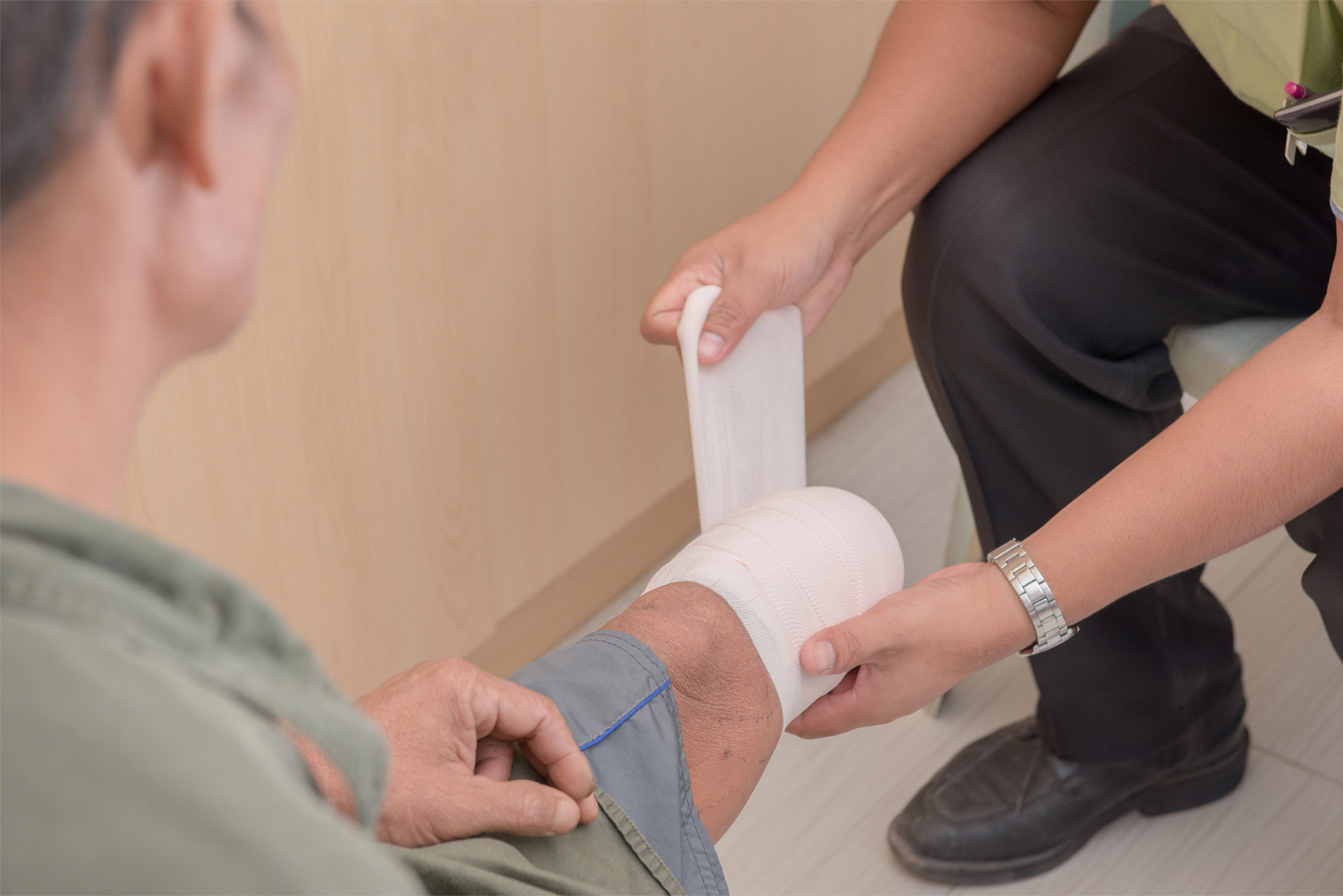
After a serious injury, everyday tasks can become more difficult.
Washing, dressing, cooking, shopping, cleaning, travelling to appointments or looking after children may take more time, energy or support than before.
At first, you may manage with help from a partner, parent, child or friend.
That support can be invaluable, but it may not always be realistic or sustainable long term.
In a personal injury claim, future care costs may include paid care, domestic assistance, help at home or care provided by family members.
The important point is that future care costs should be assessed realistically, not only on what you are coping with now.
Where long-term care may be needed after a serious injury, the claim should consider whether support is temporary, ongoing or likely to change as recovery develops.
Rehabilitation, Treatment and Therapy Claims
Considering Physiotherapy, Psychological Support and Medical Evidence While Recovery Needs Are Ongoing
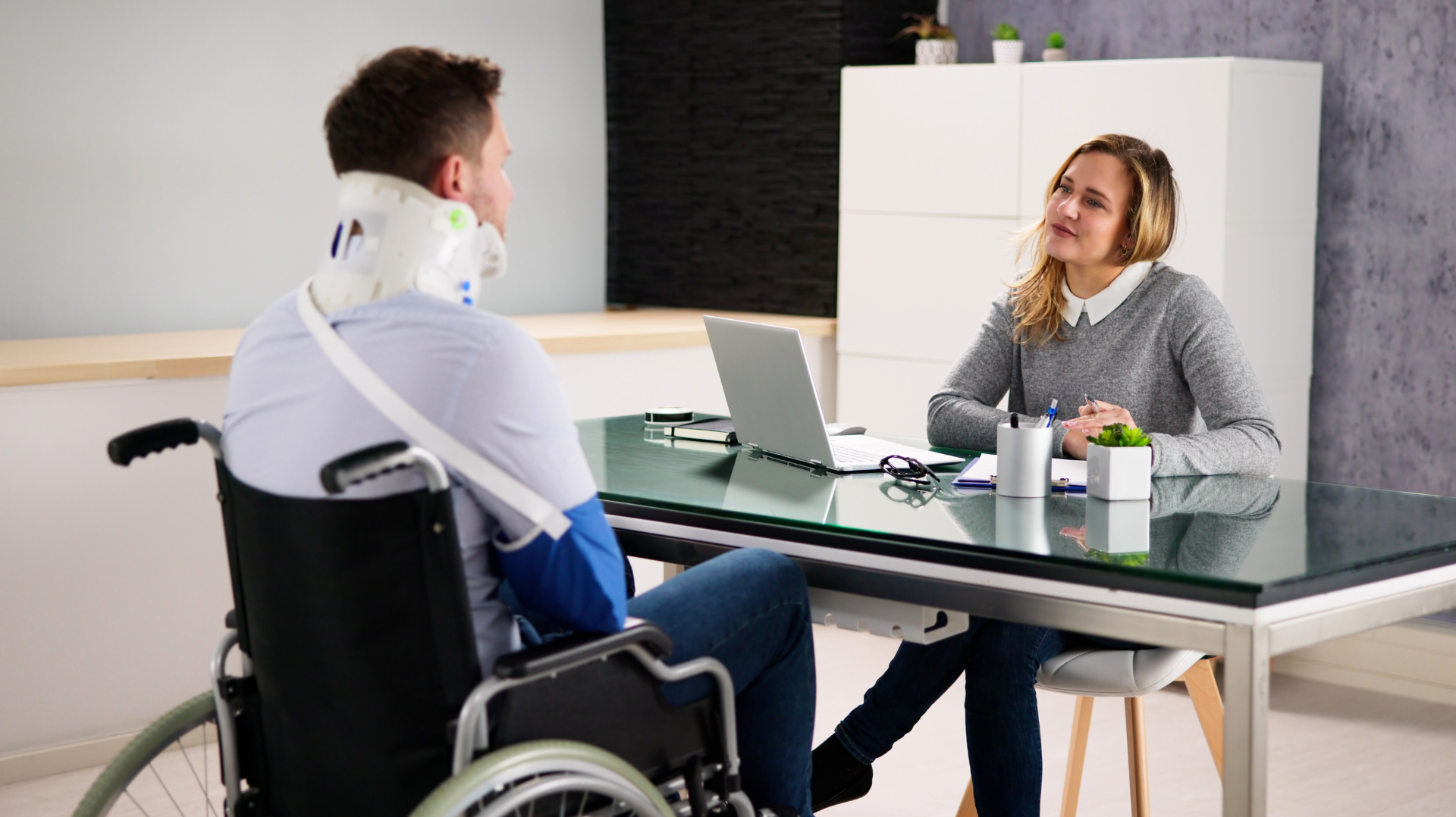
Rehabilitation can play an important role in recovery after a serious injury.
Depending on your situation, this may involve physiotherapy, occupational therapy, psychological therapy, pain management or specialist medical treatment.
Some people improve steadily.
Others experience setbacks, changing symptoms or treatment needs that are not clear straight away.
That uncertainty can make it difficult to know whether settlement is being discussed at the right time.
Before a serious injury claim settlement is considered, it is important to understand whether your recovery has reached a stable point, whether further treatment may be needed, and whether specialist reports are required.
Where appropriate, serious injury rehabilitation compensation may help support treatment, therapy and recovery planning so that future needs are not overlooked.
Future Loss of Earnings Claims
Planning Around Reduced Hours, Changed Duties and Future Earning Ability
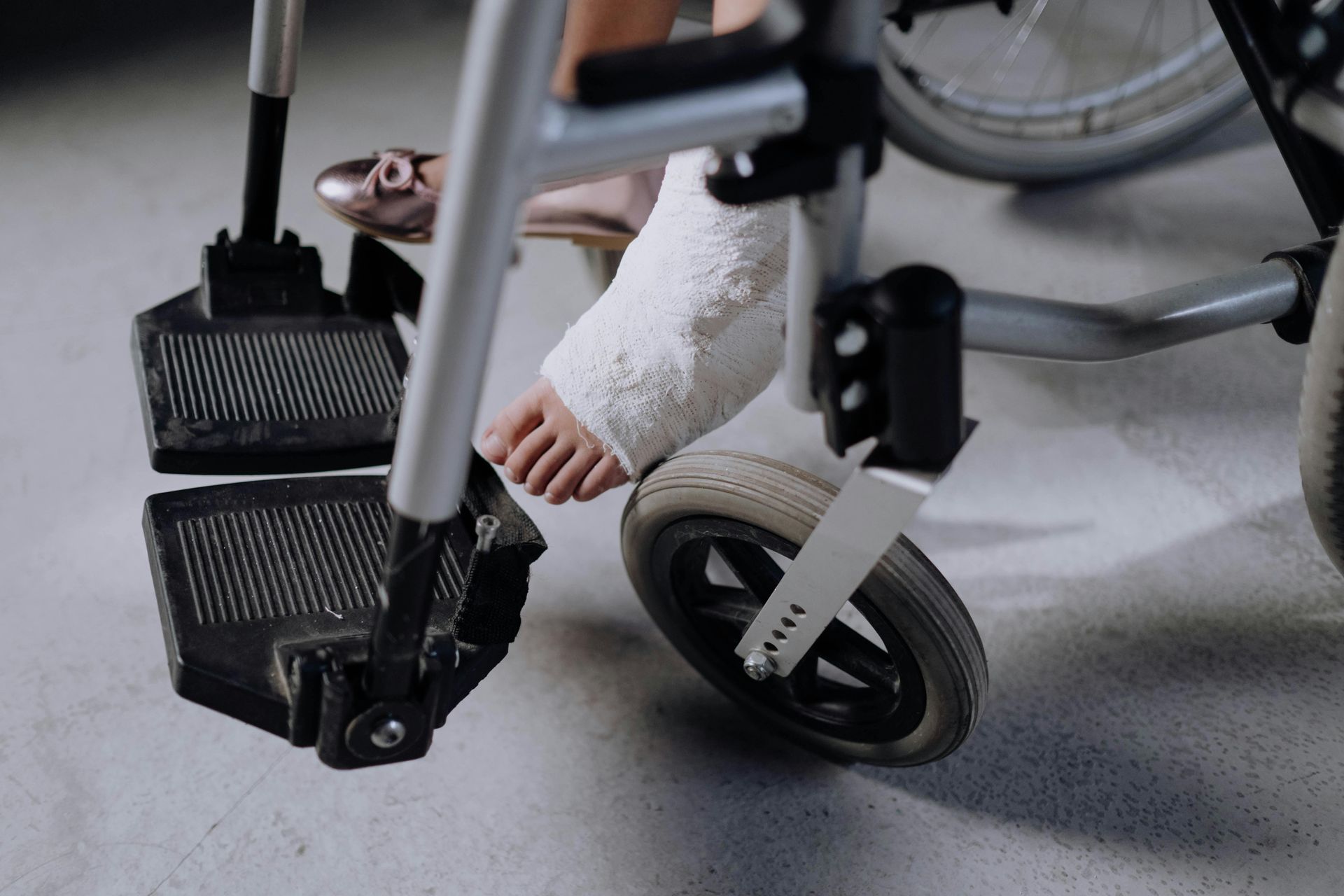
Returning to work after a serious injury is not always straightforward.
You may want to return, but still be dealing with pain, fatigue, reduced mobility, concentration difficulties, anxiety or ongoing appointments.
You may need a phased return, different duties, reduced hours, workplace adjustments or retraining. In some cases, returning to the same role or career may not be realistic.
Where future loss of earnings is part of a personal injury claim, it should consider more than income already lost.
It may also need to consider future earning ability, reduced working capacity, loss of career progression, pension impact or the effect on self-employment.
Work is also about routine, confidence and independence.
That is why serious injury compensation should reflect what your working life may realistically look like, not only whether you have returned to work at all.
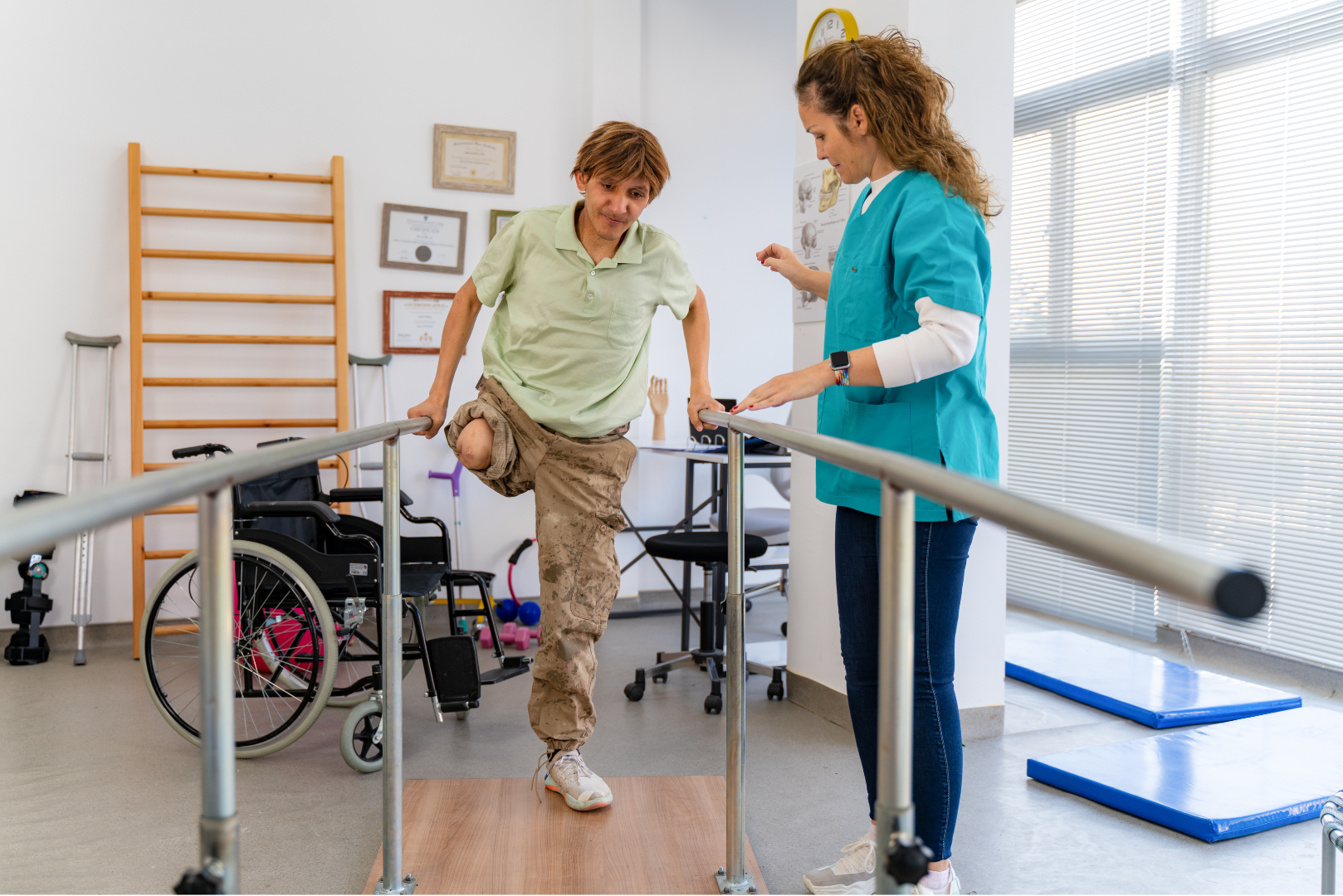
Home Adaptations, Mobility Aids and Practical Support Claims
Protecting Safety, Independence and Daily Life Where Your Home or Routine Has Changed
Independence after a serious injury often depends on practical details.
You may need equipment to move safely, changes to your home, help travelling to appointments or support managing daily routines.
These needs can be easy to underestimate, especially if you are still adjusting to life after the injury.
A home that worked before may no longer be safe or practical.
A daily routine that once felt simple may now depend on equipment, transport, planning or support from others.
Compensation for future losses may help with adaptations, mobility aids, specialist beds, accessible bathrooms, vehicle adaptations, transport support or household assistance.
The aim is not only to respond to immediate difficulties.
It is to consider what may help you live as safely, practically and independently as possible in the future.

Recovery Plan Checklist Before Serious Injury Settlement
Care, Treatment, Work, Family Support and Independence Questions to Clarify
By the time a serious injury settlement is being considered, the main areas of your recovery should be clearer.
That does not mean every detail of the future can be predicted. It does mean the most important support needs should have been considered before final decisions are made.
| If This Is Happening During Your Recovery | What It Could Mean for Your Claim | Why It Matters Before Settlement | What Ellis Hass Can Help You Check |
|---|---|---|---|
| You still need help with washing, dressing, cooking, cleaning or appointments. | Future care costs may need to be considered. | Settlement should not be based only on what you are managing to cope with now. | We can check whether care needs have been properly assessed and evidenced. |
| A partner, parent, child or friend provides regular support. | Family care may form part of the long-term picture. | Unpaid care can be overlooked, even where it affects work, routines or wellbeing. | We can consider whether unpaid care has been recognised and whether paid support may be needed later. |
| Treatment, therapy or medical reviews are ongoing. | Recovery may not yet be stable enough to understand future needs. | Settling too early can make it harder to account for later treatment or rehabilitation compensation. | Ellis Hass can advise whether further medical or rehabilitation evidence may be needed. |
| Work, hours or duties have changed. | Future loss of earnings may affect financial security and independence. | Work impact is not only about past lost income; it may affect long-term earning ability. | We can review work impact, retraining needs, reduced earning capacity and future losses. |
| Your home, transport or routine no longer works in the same way. | Long term injury compensation may need to reflect practical independence. | Home, mobility or transport needs can be underestimated if they are not assessed. | We can identify whether adaptations, equipment or mobility needs should be considered. |
| You are still unsure how much recovery is possible. | Final decisions may need more evidence. | A settlement should ideally be based on a clear enough picture of future care, work and independence. | We can explain whether further evidence could help protect your position before settlement. |
Evidence Required For Serious Injury Settlement
Medical, Care, Employment and Financial Evidence That Should Be Considered Carefully
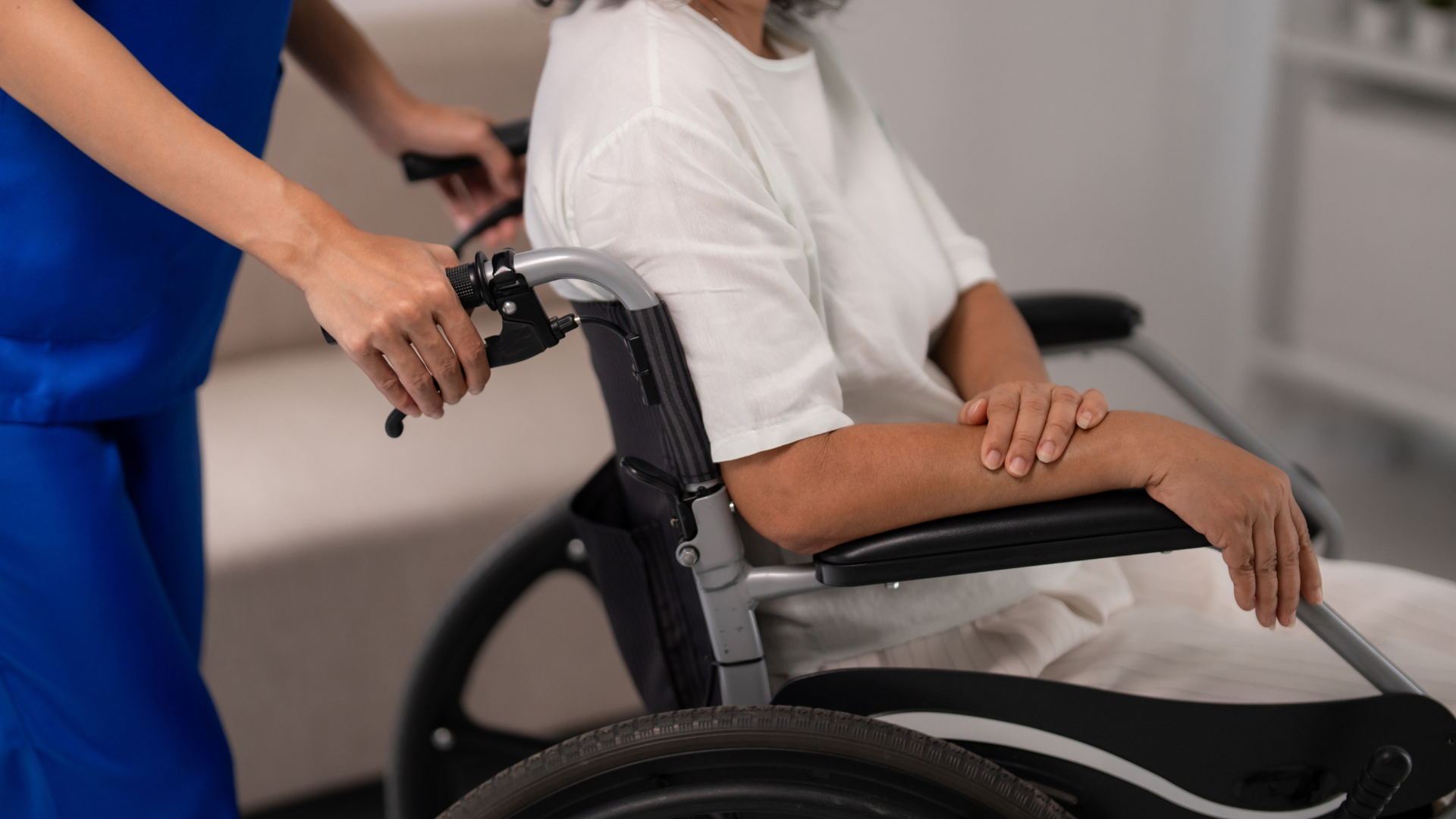
More evidence may be needed if your symptoms are still changing, treatment is ongoing, family support remains heavy, work is uncertain or home changes have not yet been assessed.
This evidence may include medical expert reports, care evidence, employment and earnings evidence, accommodation evidence, financial records or receipts. In some cases, interim payments may also be relevant if support is needed before final settlement.
These issues do not always mean settlement cannot happen.
They do mean it is important to understand whether the long-term picture is clear enough before decisions are made, especially where compensation for future losses may be needed.

Read more: Looking for a Personal Injury Solicitor in the UK? These Are the Claims We Handle and How We Can Help
Personal Injury Solicitors with Over 30 Years’ Experience and £10m+ Secured
Practical Advice Before You Accept an Offer: Helping You With Long-Term Recovery, Future Needs and Settlement Decisions
Personal injury claims require careful handling because the effects of an injury can continue long after the accident itself.
A settlement may need to account for care, rehabilitation, work, family support, home life and future independence.
Ellis Hass & Co support clients across the UK with serious injury claims, including workplace accidents, clinical negligence and personal injury claims involving long-term recovery needs.
If you are unsure whether your future needs have been properly considered, Ellis Hass can help you check:
- Whether future care costs have been assessed realistically
- Whether rehabilitation, treatment or therapy needs require further evidence
- Whether future loss of earnings, reduced hours or retraining should be considered
- Whether family care, paid support or long-term care needs have been recognised
- Whether home adaptations, mobility aids or transport support may be relevant
- Whether settlement discussions are happening before the long-term picture is clear
Clients benefit from:
- Over 30 years’ experience advising clients on personal injury claims
- More than £10 million secured in compensation for clients
- No Win No Fee support where suitable, with costs explained clearly
- Clear advice before speaking with insurers or accepting settlement offers
- Practical guidance focused on care, rehabilitation, work and future independence
The aim is not simply to progress the claim. It is to help make sure the settlement reflects the support you may need for recovery, stability and independence.
Get Serious Injury Claim Advice Before Settlement
Arrange a Call to Understand Whether Your Care, Work and Independence Have Been Properly Considered
A serious injury settlement should not be based only on how things look today. It may need to reflect what you could require to recover, work safely and remain as independent as possible in the future.
If care, rehabilitation, work or home life still feels uncertain, an Introduction Call with Ellis Hass can give you an opportunity to explain what has changed and what concerns you have about the future.
You can use the call to talk through the type of support you may still need, whether further evidence may be relevant, and what the next steps could look like if Ellis Hass is able to assist.
The aim of the initial call is to understand your situation, identify whether further review may be needed and help you decide whether to take the next step.
FREE INITIAL ADVICE ABOUT PERSONAL INJURY CLAIMS FROM TRUSTED EXPERTS
Get expert advice from our personal injury specialists to start your claims process. Our free consultation is the first step, assessing your claim, answering urgent questions and explaining the potential compensation you could receive if successful.
CONTACT OUR PERSONAL INJURY SPECIALISTS TODAY
READ OUR BLOG POSTS & LATEST NEWS