
Personal Injury Claims: Do I Have Enough Evidence? (2026 Checklist)
This article explains personal injury claim evidence in the context of UK personal injury law. It outlines what counts as useful proof, the types of evidence needed for different claims, and what to do if evidence is missing or incomplete, including who it affects and what actions may be required. Whether you are considering a personal injury claim or worried you do not have enough proof, this guide provides clear insight into building a stronger case and the practical considerations surrounding accident reports, medical records, witness statements, photos, receipts and financial evidence.
Personal Injury Claim Evidence Checklist 2026
Personal Injury Claim Checklist: Types of Evidence and Available Support For Your Next Claim
Most people never start a personal injury claim because they worry they do not have enough evidence.
Perhaps you slipped in a supermarket, but in the shock of the moment you did not think to take a photo of the wet floor.
Maybe you were injured at work and only realised later that you never asked for the names of the people who saw what happened.
Or you might be dealing with the heartbreak of losing someone you love and wondering whether it is even possible to prove what went wrong.
If you are asking yourself, “Do I have enough proof?”, you are not alone.
Many people assume their case is too weak without clear evidence. This worry can stop them from getting advice, even when they may be entitled to support, answers and compensation.
The truth is, you may have more evidence than you realise.
Accidents often leave a trail, even if you did not gather everything at the time.
Medical records, emails, photos, receipts, appointment letters, workplace reports, messages or even a short note you made on your phone can all help show what happened and how your life has been affected.
You do not need to build the whole case yourself.
Your job is simply to keep anything that may help show:
- What happened
- Who may have been at fault
- What injuries you suffered
- How those injuries have affected your life
- What money you have lost or had to spend
- What support you may need now or in the future
If something is missing, do not let that hold you back. A solicitor can help you work out what you already have, what may still be available, and what further evidence might be needed.
This checklist explains what counts as evidence, what proof may help in different types of personal injury claims, and what you can do now to protect your position.

Evidence for Personal Injury Claim 2026
What Counts as Proof for a Personal Injury Claim in 2026: Photos, Reports and Statements
Evidence is anything that helps show what happened, why it happened, who may have been responsible, and how the injury has affected you.
You do not need every type of evidence listed in this guide.
Every claim is different. Some people start with photographs and medical records.
Others only have a message, an accident report, or the name of someone who saw what happened.
The important thing is to gather what you can and keep it safe.
Useful evidence may include:
- Photos and videos
- Accident reports
- Medical records
- Witness details
- Receipts and bills
- Payslips and financial records
- Messages and emails
- Notes about your symptoms
- Proof of treatment or rehabilitation
- Records of help from family or friends
- Documents showing how your life has changed
Even if you only have one or two of these, it may still be enough to start looking into a claim.
Do I Need Evidence Before Speaking to a Solicitor?
No. You do not need to have everything ready before asking for advice.
Many people speak to a solicitor with only limited evidence.
For example, you might only have:
- A photo of the hazard
- A hospital appointment letter
- A text message about the accident
- A workplace accident book entry
- A police reference number
- A receipt for treatment or travel
- The name of someone who saw what happened
That may still be enough to begin investigating the claim.
A solicitor can help request other records where possible, such as medical notes, CCTV, workplace documents, maintenance records, insurance correspondence, or expert evidence.
It is always better to get advice early, especially where evidence might disappear or become harder to obtain.

Photos and Videos
Photos and videos can be very useful in a personal injury claim because they can show details that may be difficult to explain later.
Helpful photos or videos may include:
- the accident scene
- the hazard that caused your injury
- unsafe flooring, stairs, pavements or equipment
- poor lighting
- missing warning signs
- damage to vehicles, clothing or personal items
- visible injuries, such as bruising, swelling, cuts, scarring or burns
- dashcam or doorbell footage
- mobile phone videos
- CCTV, if available
For example, if you slipped on a wet floor, a photo may show whether there were warning signs. If you tripped on broken paving, photos may show the size and location of the defect. If you were injured by defective equipment, photos may help show what was wrong.
Do not worry if you did not take photos immediately. Many people are too shocked, embarrassed, upset or injured to think about evidence at the time.
If the scene still exists, take photos as soon as you can. Try to take a mixture of close-up photos and wider photos showing where the hazard was. If someone else took pictures or video, keep a copy if possible.
Accident Reports
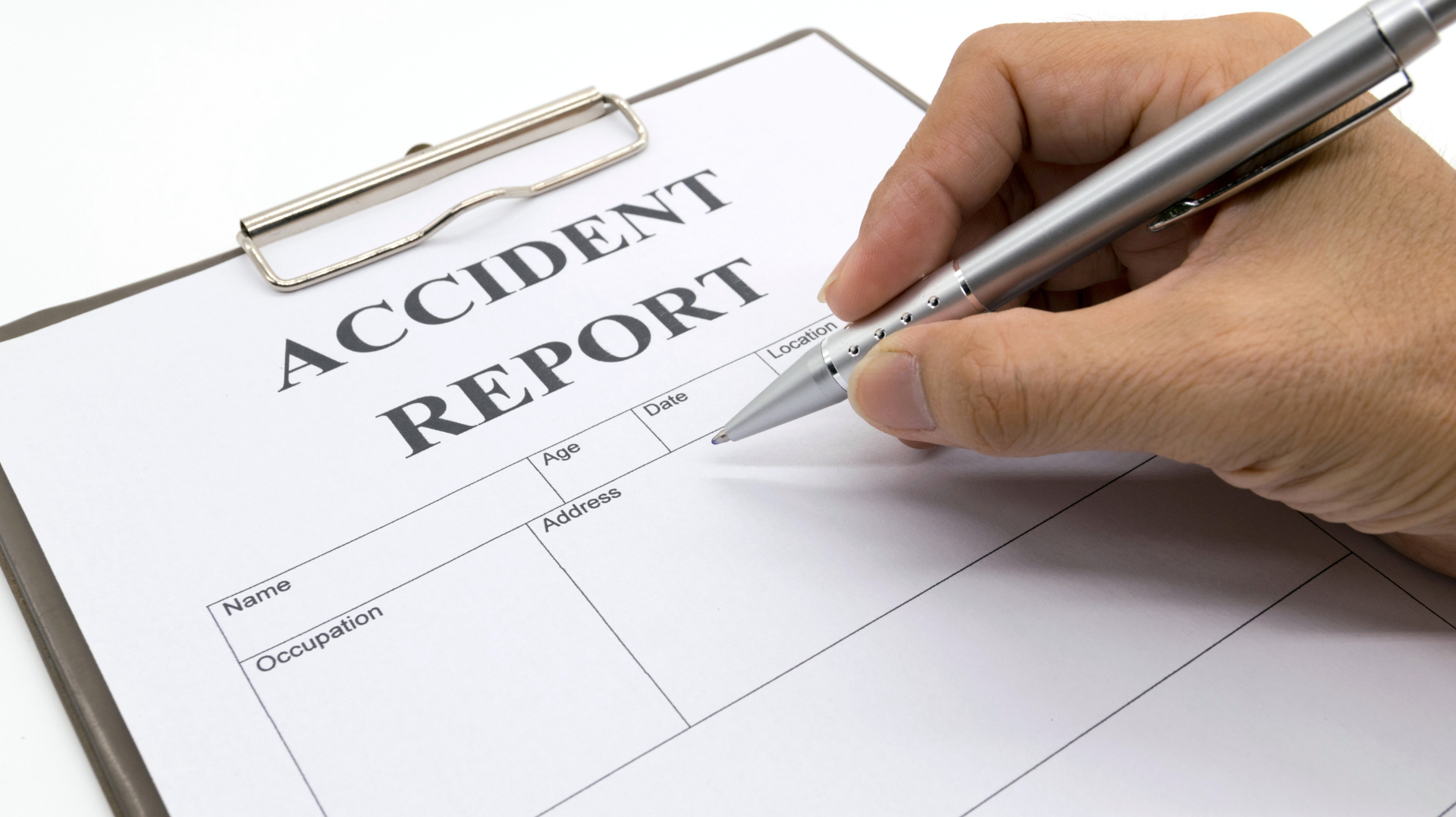
An accident report can help confirm when and where something happened.
Depending on the type of accident, a report may have been made by:
- your employer
- a shop, supermarket or restaurant
- a hotel or holiday provider
- a school, gym or leisure centre
- the police
- a local council
- a landlord or housing provider
- a hospital or medical provider
- an insurance company
If your accident happened at work, it may have been recorded in the accident book. If it happened in a public place, a member of staff may have completed an incident form. If it happened on the road or involved serious injury, the police may have created a report or reference number.
If you did not report the accident at the time, you may still be able to do so now. It is best to report it as soon as possible and keep a copy of anything you send or receive.
This might include:
- emails
online forms
complaint letters
report reference numbers
screenshots
confirmation messages
Even a short email saying what happened, where it happened and when it happened can be helpful.

Medical Records
Medical evidence is one of the most important parts of a personal injury claim.
It can help show:
- what injury you suffered
- when you first reported your symptoms
- what treatment you needed
- whether your symptoms improved or became worse
- whether you needed time off work
- whether you may need more treatment in the future
- how the injury affected your daily life
Useful medical evidence may include:
- hospital records
GP records
ambulance records
walk-in centre records
scan results
X-ray results
referral letters
prescriptions
physiotherapy records
counselling or mental health support records
letters from specialists
discharge notes
appointment letters
Do not worry if you do not have copies of everything. If you decide to make a claim, your solicitor can usually help request your medical records.
It is also important to tell your doctor about all of your symptoms, even if some seem minor at first. Some injuries develop over time, and a clear medical record can help show how your symptoms changed.
Evidence of Your Recovery
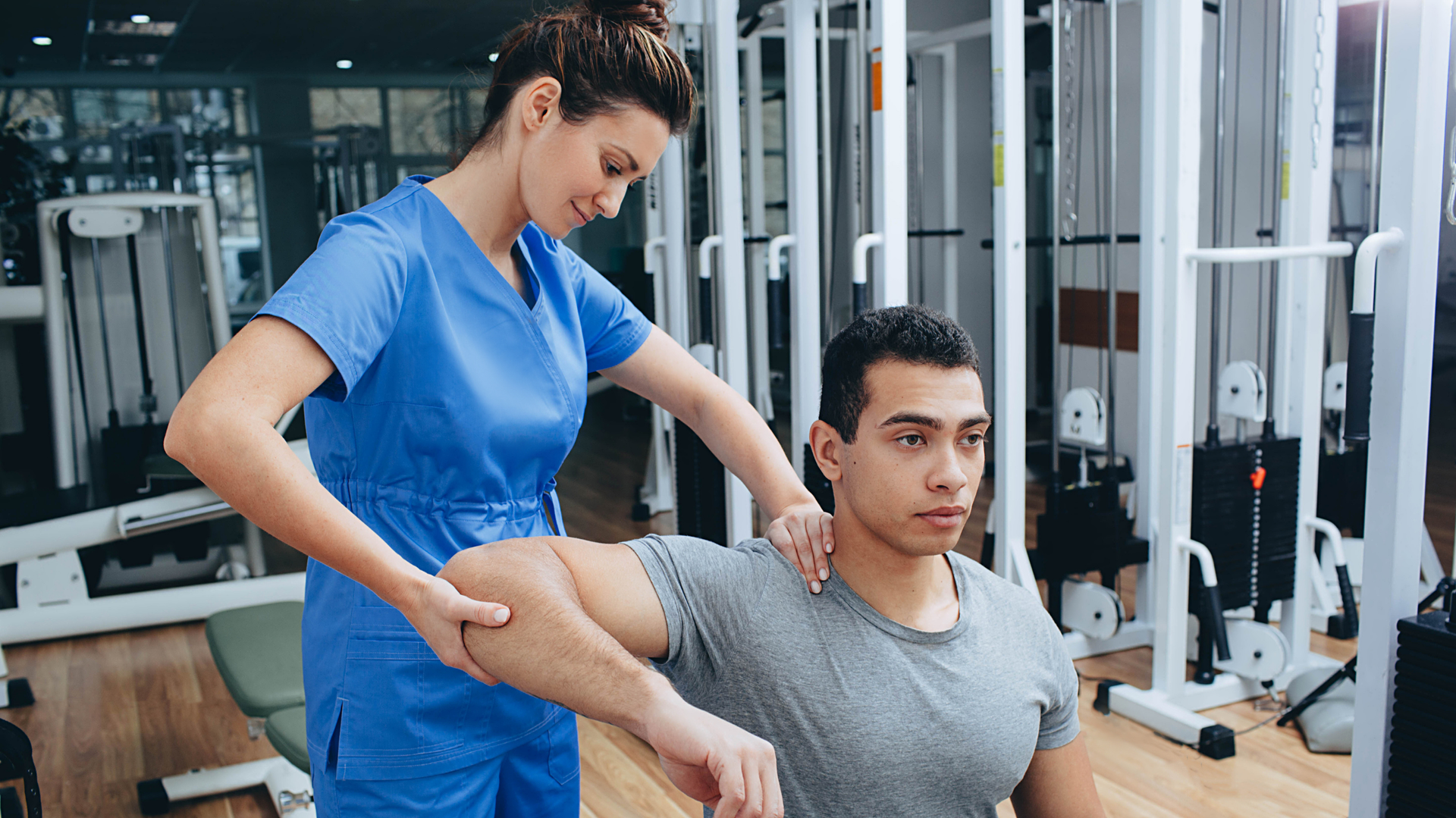
A personal injury claim is not only about proving that an accident happened. It is also about showing how the injury affected your recovery and everyday life.
Try to keep anything that shows the treatment, help or support you have needed.
This may include:
- physiotherapy appointment letters
- GP or hospital letters
- prescriptions
- counselling or therapy records
- notes about exercises or treatment plans
- receipts for private treatment
- records of cancelled appointments
- letters about walking aids, equipment or home changes
- notes from an occupational therapist
- rehabilitation plans
- records of support from family or friends
You can also keep a simple note on your phone about how you are feeling.
For example, you might write down when:
- pain stops you sleeping
you cannot drive
you need help getting dressed
you cannot cook or clean
you miss work
you cannot pick up your children
you avoid stairs
you cannot exercise
you feel anxious or low
you miss family events or social plans
These small details can be very helpful. They show the real impact of the injury, not just the medical diagnosis.

Witness Statements
Witnesses can help support your version of events, especially if the other side denies responsibility.
A witness might be:
- someone who saw the accident happen
- someone who helped you afterwards
- a colleague
- a customer
- a passer-by
- a friend or family member
- a manager or supervisor
- another road user
- someone who had previously noticed the hazard
If you can, write down:
- their name
their phone number
their email address
where they were at the time
what they saw
whether they helped you afterwards
Do not worry if you did not get witness details straight away. In some cases, witnesses may still be traced through accident reports, workplace records, CCTV, complaint records or other documents.
Even someone who did not see the accident happen may still be able to help. For example, a family member may be able to explain how your injury affected your daily life after the accident.

Receipts and Bills
If you had to spend money because of your injury, keep the receipts.
You may be able to claim for reasonable expenses linked to the accident, such as:
- travel to medical appointments
parking costs
prescription charges
private treatment
physiotherapy
counselling
mobility aids
damaged clothing
damaged personal items
taxis if you could not drive
childcare costs
care or domestic help
equipment you needed because of the injury
home adjustments
Even small costs can add up over time.
If you do not have receipts, make a note of what you spent, when you spent it, and why. Bank statements, card payments, appointment records or emails may also help.

Pay Slips and Financial Records
If your injury caused you to miss work or earn less money, financial records can help show what you lost.
Helpful evidence may include:
- payslips
- bank statements
- sick notes
- fit notes
- employer letters
- absence records
- proof of reduced hours
- proof of missed overtime
- evidence of lost bonuses or commission
- tax returns
- invoices
- business accounts
If you are self-employed, it can help to keep records of:
- jobs you had to cancel
work you could not complete
clients you had to turn away
invoices that were delayed or reduced
periods where you could not work
extra help you had to pay for
These records can help show the difference between your income before and after the accident.

Messages and Emails
Everyday messages can be valuable evidence because they often show what happened at the time.
Helpful messages may include:
- texts to family or friends about the accident
- emails to your employer
- WhatsApp messages about your symptoms
- messages to insurers
- complaints to a business, council or landlord
- appointment confirmations
- screenshots of online forms
- messages arranging help or transport
- notes you made to yourself
For example, if you texted someone saying you had fallen and were going to hospital, that message may help create a timeline. If you emailed your employer to say you could not attend work because of your injury, that may support your lost earnings claim.
Try not to delete anything connected to the accident, your injury, your treatment or your recovery.
Why It Helps To Act Quickly
Some evidence can disappear quickly.
CCTV may be deleted. Accident scenes may be cleaned, repaired or changed.
Witnesses may become harder to contact. Records may be overwritten.
If you can, make a note of:
- Where the accident happened
- The date and time
- Who was there
- Who you reported it to
- Whether CCTV may exist
- Whether anyone took photos or videos
- Whether there were warning signs
- Whether the hazard was still there afterwards
- Whether anyone helped you
Even if you only remember a few details, write them down as soon as possible. A short note made close to the time can be very useful later.
Personal Injury Law Experts UK
You Do Not Have to Do This Alone - We Are Here To Discuss Your Claim
At Ellis Hass & Co Solicitors, we understand that gathering evidence can feel overwhelming when you are already dealing with pain, stress, treatment, time off work or worry about the future.
You do not need to arrive with a complete file of documents. You do not need to know exactly what evidence matters. You do not need to understand the legal process before getting in touch.
Our role is to listen to what happened, explain your options in plain English, and help you work out what evidence may support your claim.
We can help you understand:
- Whether you may have a claim
- What evidence you already have
- What evidence may still be needed
- Whether records can be requested
- How your injury may be valued
- What losses you may be able to claim
- What the next steps would look like
If you are unsure whether you have enough evidence, the best thing to do is ask.

FREE INITIAL ADVICE ABOUT PERSONAL INJURY CLAIMS FROM TRUSTED EXPERTS
Get expert advice from our personal injury specialists to start your claims process. Our free consultation is the first step, assessing your claim, answering urgent questions and explaining the potential compensation you could receive if successful.
CONTACT OUR PERSONAL INJURY SPECIALISTS TODAY
Evidence for Types of Personal Injury Claims
What Evidence Do I Need for Different Types of Personal Injury Claims?
When you are thinking about making a claim, the right proof can be the difference between being heard and being ignored.
Many people worry they have not got enough or feel guilty they did not gather it all at the time. The truth is, most people feel that way and you probably have more than you think. There is often more you can still find and the sooner you look, the more you can protect your position.
Below you will find clear examples for each type of claim. Use these to think about what you already have and what you might still be able to gather. If any of this feels too much, remember you do not have to piece it together alone.
What Evidence Do I Need for a Fatal Accident Claim?
Losing someone you love in an accident is one of the hardest things you can face. It is painful enough to grieve without worrying about gathering paperwork, but the right documents can help you get answers and secure support for your family’s future.
Look for things like a coroner’s report, police investigation files, medical records explaining the cause, and witness accounts. Proof of financial dependency, such as payslips or bank statements, can also help show what has been lost.

What Evidence Do I Need for a Road Accident Claim?
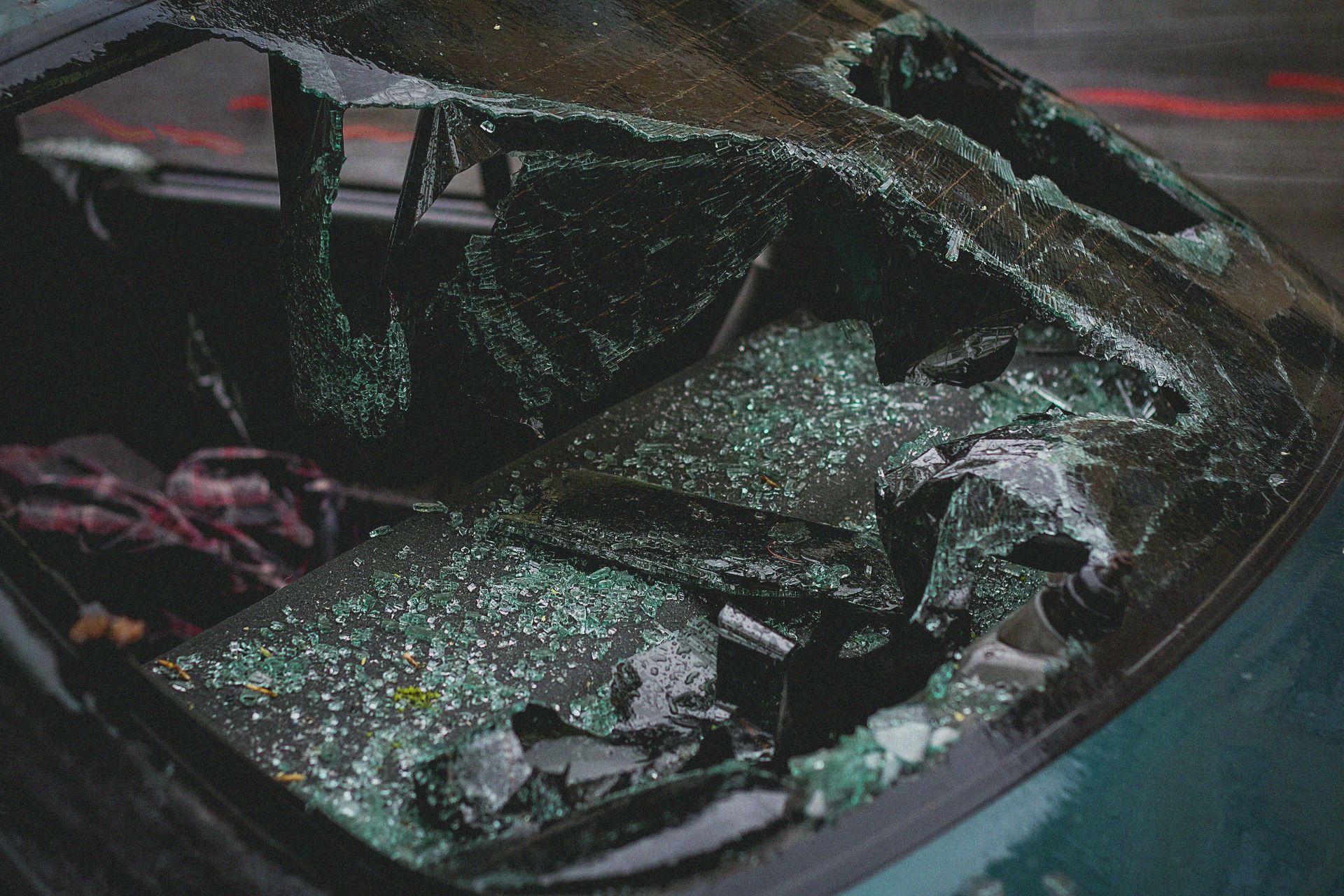
If you have been in a road accident, you may feel shaken, confused and unsure where to start. Small details can make a big difference.
Photos of damage, the accident scene or road conditions, dashcam clips, police reports, medical treatment notes, repair quotes and even messages you sent to family or insurers can all help build a clear picture.
It is normal to feel like you missed something but you probably have more than you think.
What Evidence Do I Need for a Work Accident Claim?
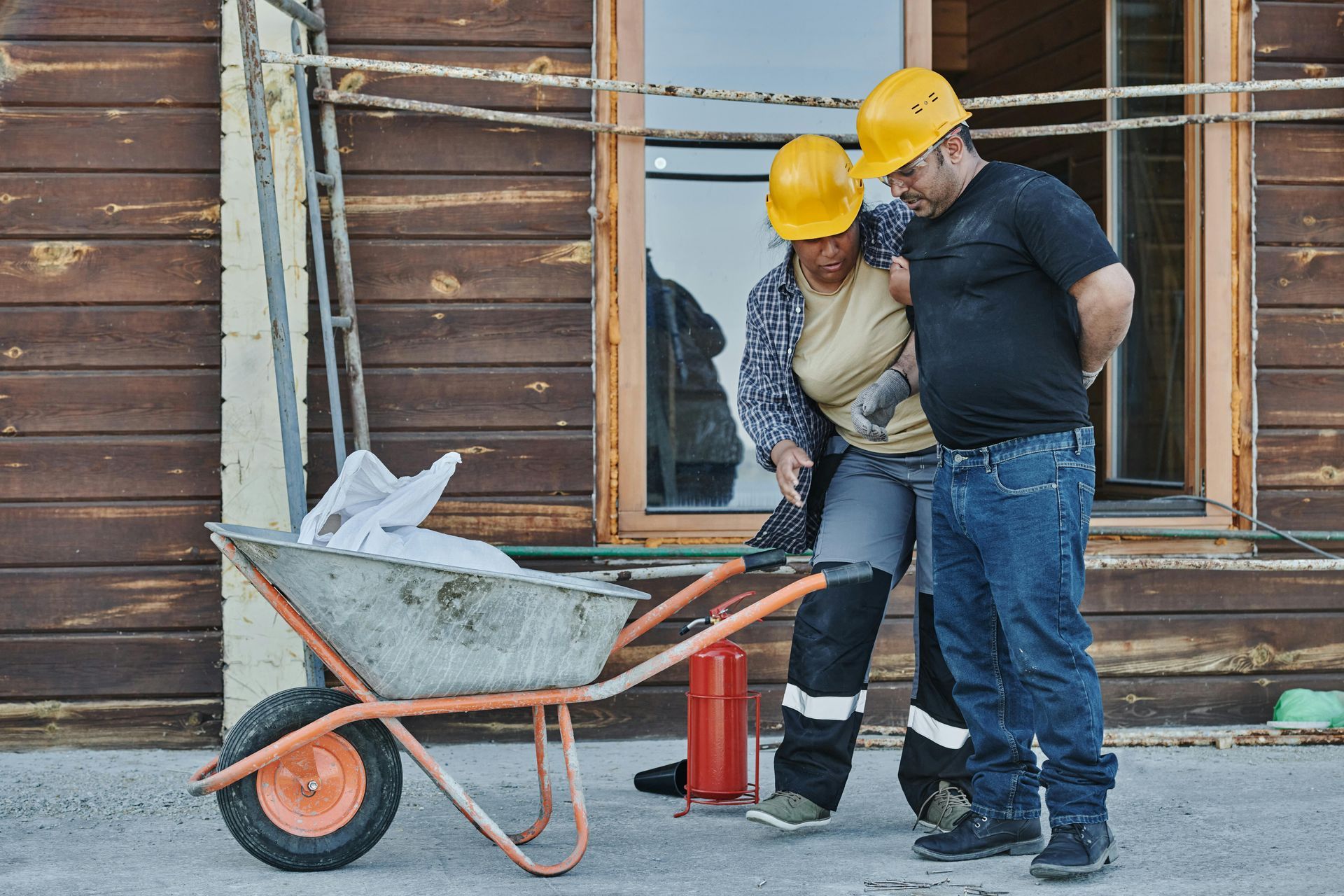
Being hurt at work can bring up worry about your job, your boss and your income. Many people feel nervous about claiming, but your employer has a duty to keep you safe.
Helpful proof includes a report in the accident book, photos of unsafe equipment or work areas, CCTV if available, witness notes from colleagues, medical records and pay slips to show any lost income.
What Evidence Do I Need for an Amputation Claim?
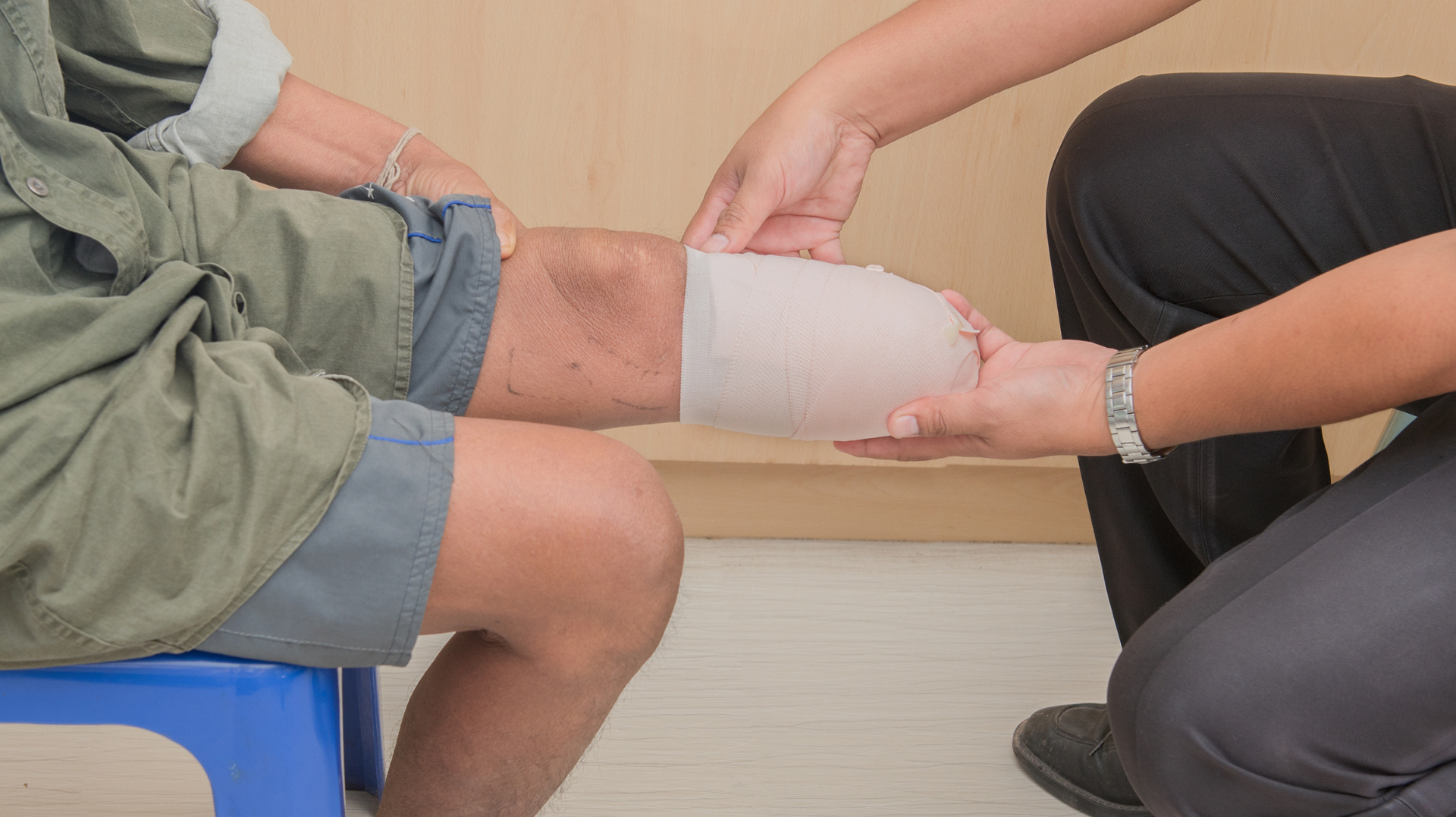
An amputation changes every part of daily life. The right evidence should show not only what happened but how it will affect your health, work and independence in the years ahead.
Keep hospital and surgery notes, rehab plans, photos of your recovery, and letters from specialists about what care or equipment you may need. Expert reports about prosthetics or home adaptations help show what is realistic and fair.
What Evidence Do I Need for a Product Liability Claim?
When a product you trusted causes harm, it can feel daunting to prove it was faulty. Good evidence can help you hold the company accountable.
Keep the product if it is safe to do so. Take photos showing what failed and the injuries it caused. Hold on to receipts, instruction manuals, labels or packaging. An expert report can show how the fault caused the harm. Witness accounts and medical notes can back up your side.
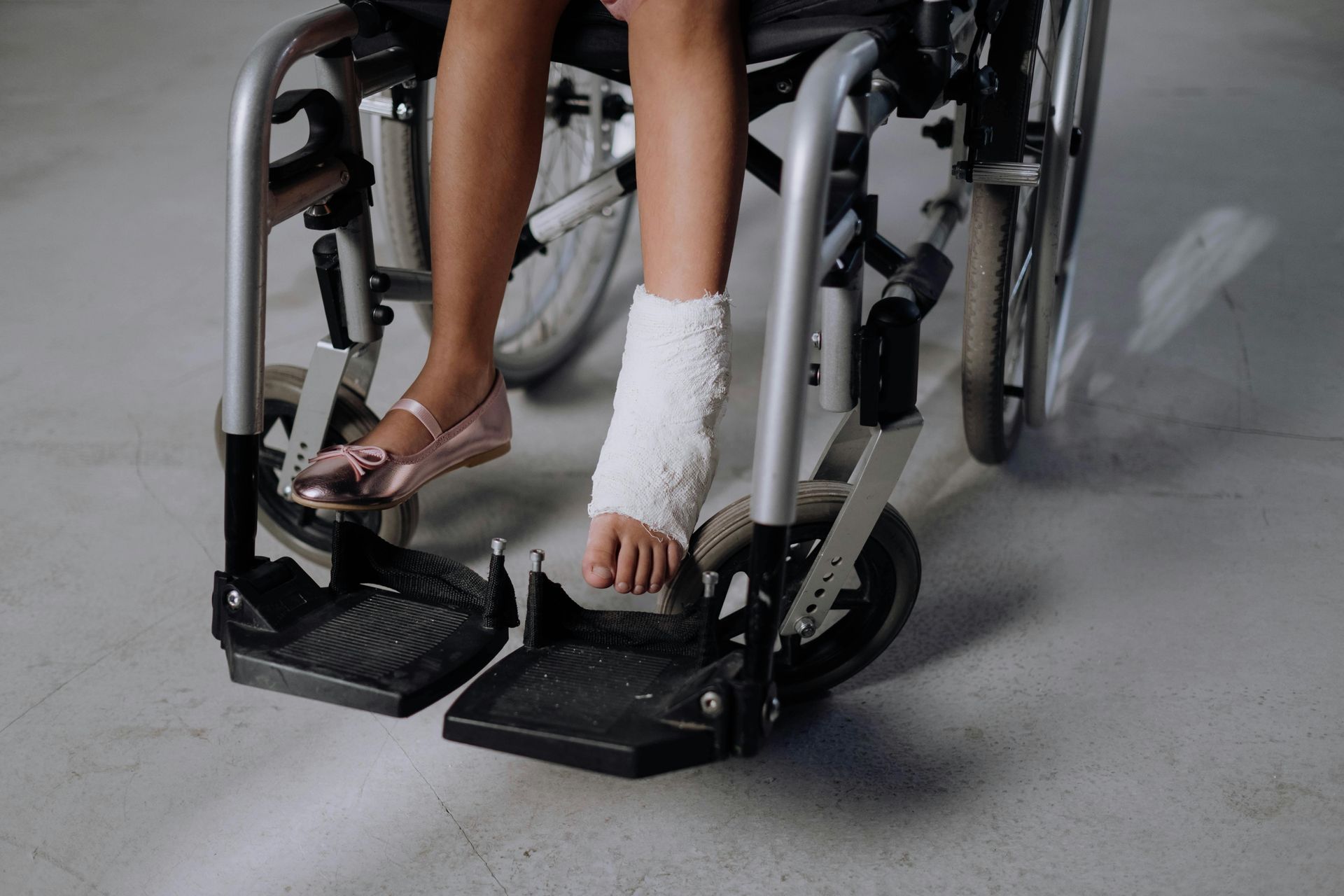
What Evidence Do I Need for a Slip, Trip and Fall Claim?
Slips and trips often feel like bad luck, but they usually happen because a business or council did not keep the area safe.
Photos of the hazard, like a wet floor or broken paving, maintenance logs or cleaning records, CCTV if it exists, witness details, an accident report and receipts for costs such as taxis all help show what went wrong and what you needed as a result. No detail is too small.
What Evidence Do I Need for a Holiday Accident Claim?
Getting hurt on holiday can be stressful, especially when you just want to get back to normal life. Many people do not realise UK law can still protect them for package holidays booked through a UK company.
Take photos of unsafe conditions or hazards, keep medical reports from local doctors and any follow-up treatment at home. Save booking confirmations, hotel incident reports and witness statements from other guests.
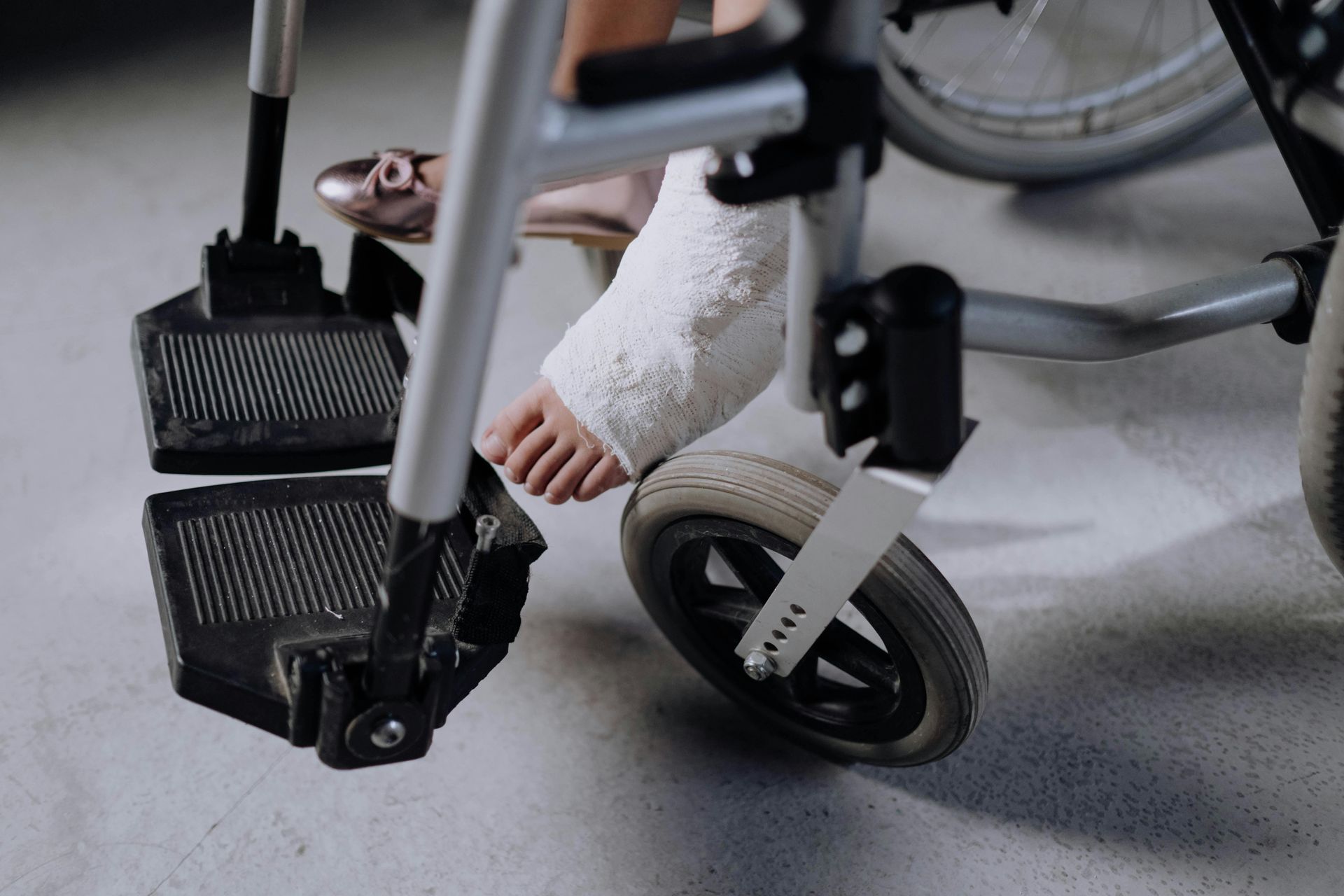

What Evidence Do I Need for a Clinical Negligence Claim?
When medical care makes things worse, you deserve to know the truth and be treated fairly. The right records show what went wrong.
Keep your full medical history from before and after the treatment, any letters or emails with your healthcare provider, photos if your injury is visible, and any complaint letters or responses. An independent opinion can strengthen your claim.
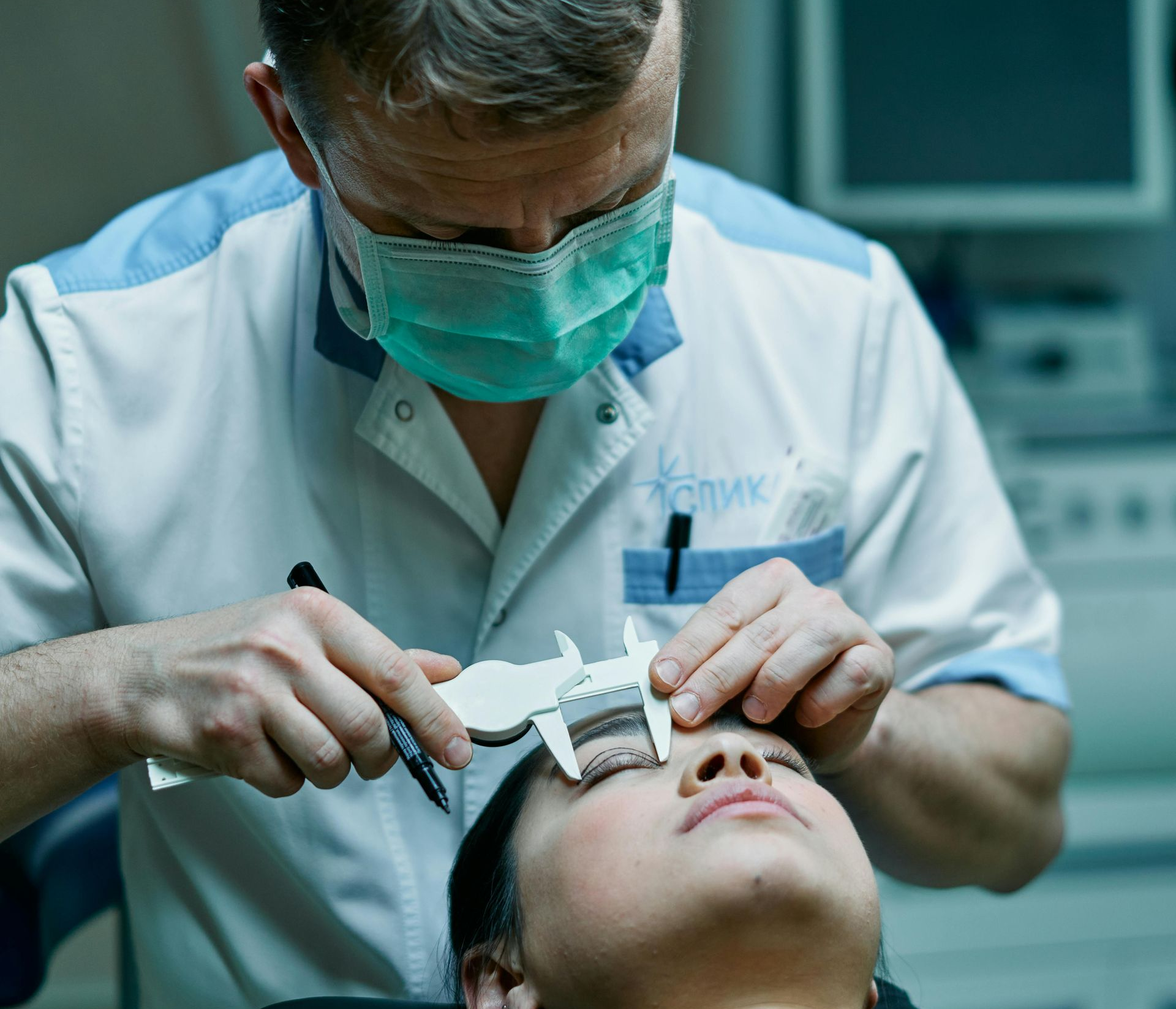
What Evidence Do I Need for a Cosmetic Surgery Claim?
When cosmetic surgery goes wrong, it affects more than your appearance. It can knock your confidence and feel too personal to share. You do not have to stay silent.
Hold on to consent forms, pre-op notes, medical records and any follow-up or corrective treatment paperwork. Photos from before and after can show what changed. Receipts for any extra costs matter too.
Book Personal Injury Call To Discuss Claim
Need Help Putting Your Evidence Together?
Building a claim can feel overwhelming when you are already coping with an injury, treatment, financial pressure or worry about the future.
At Ellis Hass & Co Solicitors, we are here to take that weight off your shoulders.
We work on a No Win No Fee basis, which means there is no financial risk in finding out where you stand. From the first call, our focus is on listening to your story, explaining what evidence really matters, and guiding you on the next steps with clarity and care.
You do not need to have everything perfectly prepared.
We can help you:
- Make sense of what you already have
- Identify what may be missing
- Request records where possible
- Explain what evidence matters most
- Build the strongest case available
- Understand your options before deciding what to do
With Ellis Hass & Co, you are not just getting legal advice.
You are getting a trusted partner who will stand by you throughout the process.
FREE INITIAL ADVICE ABOUT PERSONAL INJURY CLAIMS FROM TRUSTED EXPERTS
Get expert advice from our personal injury specialists to start your claims process. Our free consultation is the first step, assessing your claim, answering urgent questions and explaining the potential compensation you could receive if successful.
CONTACT OUR PERSONAL INJURY SPECIALISTS TODAY
Personal Injury Claim FAQs
Common Questions About Evidence for a Personal Injury Claim
When you are thinking about making a claim, it is normal to feel unsure about what proof you need or worry you have not done enough.
Many people ask us these questions when they want clear answers and honest guidance to feel more confident about what comes next.
Speak With Personal Injury Experts Today
Protect Your Claim With the Right Evidence - And Clear Next Steps
By now, you have seen how the right evidence can strengthen your case and why even small details can make a big difference. You also know you do not have to gather every piece of proof on your own.
At Ellis Hass & Co Solicitors, we have been trusted by clients for years to secure fair outcomes in personal injury claims. What sets us apart is the way we combine national-level expertise with a genuinely local, personal service. We pride ourselves on being approachable, clear and supportive from the first conversation right through to settlement.
Our solicitors work with you directly, not through call centres or automated systems. You will have a dedicated expert who listens, understands your situation and explains your options in plain terms. Whether your case involves a workplace injury, medical negligence or another type of claim, we are here to make sure your evidence is used to protect your rights and secure the best outcome possible.
It costs nothing to talk it through. If you are ready to put your mind at rest and move forward with confidence, book your free introduction call today.
FREE INITIAL ADVICE ABOUT PERSONAL INJURY CLAIMS FROM TRUSTED EXPERTS
Get expert advice from our personal injury specialists to start your claims process. Our free consultation is the first step, assessing your claim, answering urgent questions and explaining the potential compensation you could receive if successful.
CONTACT OUR PERSONAL INJURY SPECIALISTS TODAY
Read next: 8 Mistakes Personal Injury Claimants Make
Learn more:
How Long Does a Personal Injury Claim Take?
READ OUR BLOG POSTS & LATEST NEWS